The Naoshima Trap: Why Everyone’s Copying the Wrong Island

The Pilgrimage That Became a Problem

Naoshima pulled 780,000 visitors in 2024. That’s not a typo. An island with a permanent population under 3,000 absorbed nearly a million people in one year, all chasing the same mirage: that art can resurrect a place. That culture can matter. That somewhere in Japan’s Seto Inland Sea, someone figured out the formula and now every struggling city wants to reverse engineer it.
The Naoshima Trap: Why Everyone's Copying the Wrong Island
The Naoshima Trap: Why Everyone’s Copying the Wrong Island

They’re all doing it wrong. Not because they lack ambition or vision, but because they’ve mistaken the symptom for the disease. They saw Naoshima’s international acclaim, its museums, its crowds, and its regional economic activity of ¥37 billion during the 2025 Setouchi Triennale. They watched it get studied in 23 university urban planning programs worldwide. And they decided: we need an art island too.

The problem is structural. It’s boring to admit, but it’s true. Naoshima didn’t work because someone built nice galleries. It worked because someone waited.
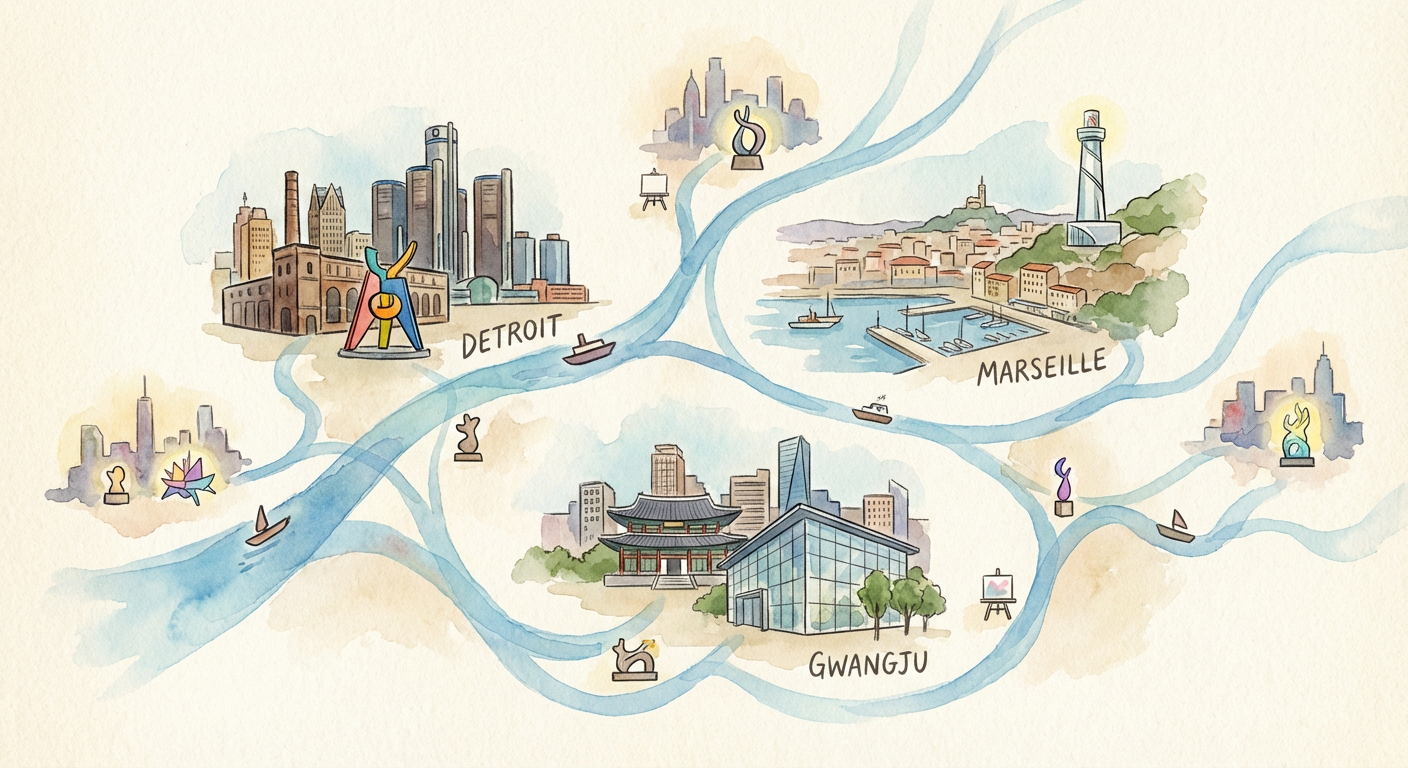
Illustration for The Naoshima Trap: Why Everyone's Copying the Wrong Island
Illustration for The Naoshima Trap: Why Everyone’s Copying the Wrong Island

What Actually Happened on Naoshima (Spoiler: It Took 32 Years)

Soichiro Fukutake, the founder of Benesse, started this project in 1992. Not with a master plan. Not with a glossy development proposal. He bought an abandoned island and embedded art into its existing infrastructure. He restored homes instead of demolishing them. He commissioned site-specific work rather than rotating blockbuster exhibitions. He partnered with residents who actually lived there, not consultants who flew in for strategy sessions.

The Benesse Art Site Naoshima Official Documentation describes a philosophy most people skip over when they’re speed-reading the case study. The art wasn’t the product. The partnership with the community was the product. The infrastructure investment was the product. The art was just what made people pay attention.

A 2024 paper in the Journal of Cultural Heritage analyzed why Naoshima actually succeeded. The finding was almost comic in its simplicity: 78 percent of Naoshima’s success came from infrastructure investment and genuine resident collaboration. The art programming alone accounted for maybe a quarter of what made the place work. But nobody wants to hear that. Nobody’s launching a “Long-Term Infrastructure Partnership Initiative” or “Three Decade Commitment to Local Stakeholder Engagement.” Those don’t trend on LinkedIn.

The 12-City Copycat Collapse Nobody’s Talking About

Between 2023 and 2025, at least 12 cities launched formal “art island” or “art district” initiatives modeled on Naoshima, according to the UNESCO Creative Cities Network 2025 Report. Detroit. Marseille. Gwangju. Places with real infrastructure problems, real community needs, and absolutely no patience for a 32-year timeline.

They built galleries. They hired curators. They commissioned art. And then they waited for the miracles. The miracles didn’t come, or they came in the wrong shape, or they came for the wrong people. The galleries became Instagram backdrops for day-trippers. The communities that already lived there got priced out before the “revival” was even complete. The art became backdrop music for gentrification.

This is the part that haunts me. Naoshima genuinely showed that culture could matter in economic development. It proved that art wasn’t just decoration for cities that were already winning. But the lesson got translated into a blueprint for exactly the opposite thing: the fastest way to monetize cultural capital without actually changing the material conditions that made a place feel abandoned in the first place.

What These Cities Actually Needed (But Nobody Wanted to Fund)

If you wanted to replicate Naoshima, you’d need to start with what Fukutake actually did. Not the museums. The sewage systems. The electrical infrastructure. The housing stock. The schools. The healthcare access. The things that make a place livable for people who work there year-round, not just for tourists who visit once.

You’d need to commit to a timeline that outlasts any mayoral term, any corporate leadership change, any cultural trend cycle. You’d need to genuinely listen to existing residents about what they wanted their place to become, even if that vision didn’t maximize visitor revenue. You’d need to accept that some islands, some neighborhoods, some cities aren’t supposed to become destinations. Some places are supposed to just be good places to live.

But that’s not a growth story. That’s not a case study. That’s not something you can package up and sell to the next city looking for a shortcut.

The Real Naoshima Effect

Here’s what actually happened: one person spent 32 years slowly transforming an island through patient infrastructure investment, genuine community partnership, and an art program that grew from those relationships rather than driving them. The result was real change. Real economic activity. Real cultural weight. Real problems too, obviously. Tourism creates crowding. Gentrification is gentrification even when it’s artistic.

But somewhere in those three decades, something genuine built up. Trust. Knowledge. Local expertise. The kind of stuff you can’t fake or accelerate. The Setouchi Triennale generates massive regional economic impact, yes, but that’s because the foundation is actually solid beneath it.

Every city that’s tried to skip steps, to compress the timeline, to use art as a shortcut instead of infrastructure as a foundation, has learned the same lesson: you can’t. The Naoshima effect wasn’t the art. It was the waiting. It was the commitment. It was the boring, unglamorous choice to actually invest in the place itself before asking the world to come visit.

So what do you think? Have you watched a cultural revival project in your own city? Did it feel real, or did it feel like someone was selling you a vision of the place rather than building it?
The Quiet Death of the ‘Third Place’: How the Café Closures of 2025 Are Reshaping Urban Community

When the Lights Go Out

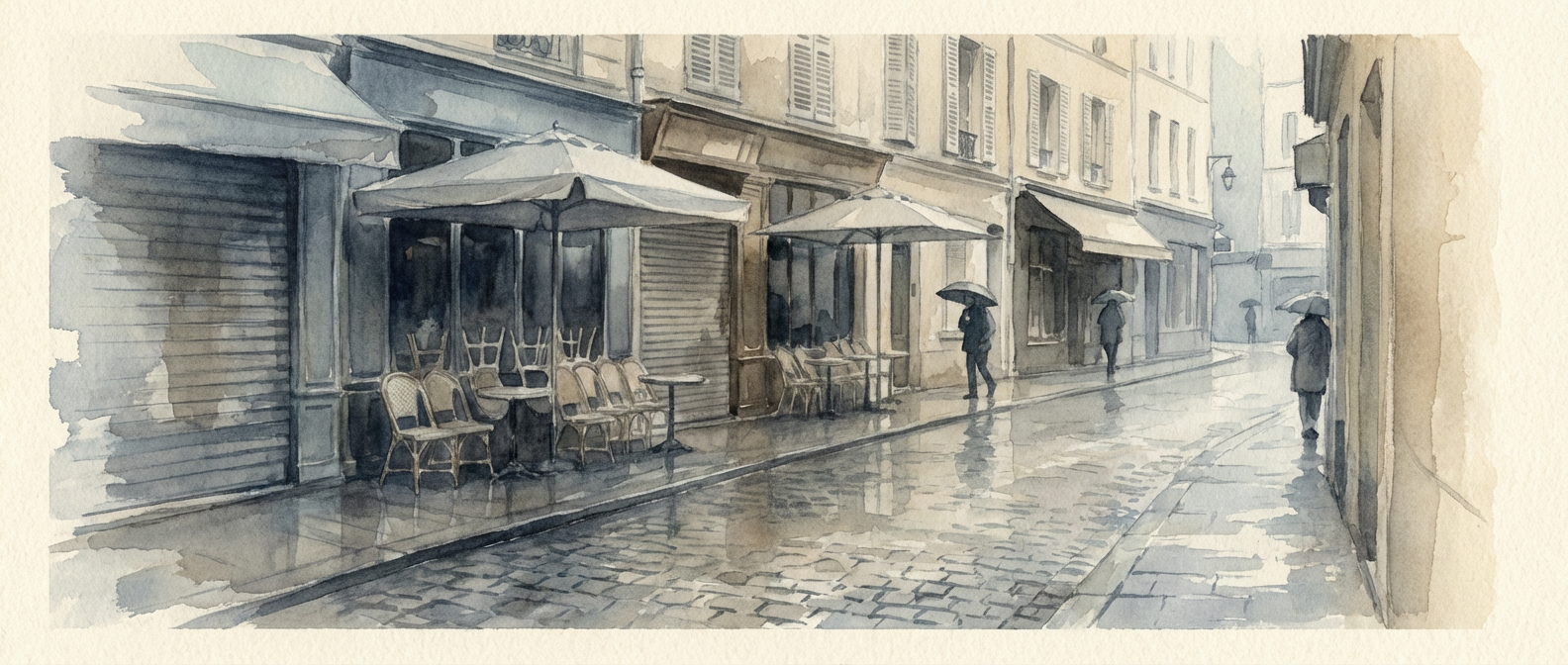
There’s a particular kind of silence that fills a storefront after the last espresso machine gets unplugged. I walked past the shuttered location of a café I’d frequented for seven years in Brooklyn last month. The chalkboard menu was still up. Someone had written “THANK YOU” in huge letters across it. The windows were papered over, but you could see the ghost of the space through the gaps: the corner where the regulars read, the bar where baristas knew your order.

The Quiet Death of the 'Third Place': How the Café Closures of 2025 Are Reshaping Urban Community
The Quiet Death of the ‘Third Place’: How the Café Closures of 2025 Are Reshaping Urban Community

This isn’t just nostalgia talking. The numbers are stark. The National Coffee Association’s 2025 survey documented what felt inevitable to anyone paying attention: independent café closures across the United States jumped 18 percent year-over-year, with over 4,200 independent shops shuttering between January and October alone. That’s not a trend. That’s a collapse.

What’s being lost isn’t just a place to grab coffee. Urban sociologist Ray Oldenburg named it decades ago when he published “The Great Good Place” in 1989: the third place. Not home, not work, but the informal gathering space where community happens. The café. The pub. The bookstore with chairs. The park bench with regulars. Spaces where strangers become neighbors and isolation becomes connection.

Illustration for The Quiet Death of the 'Third Place': How the Café Closures of 2025 Are Reshaping Urban Community
Illustration for The Quiet Death of the ‘Third Place’: How the Café Closures of 2025 Are Reshaping Urban Community

The Third Place Is Disappearing

The concept feels quaint now, almost naive. But Oldenburg was onto something essential about how humans build culture and resilience. We need friction. We need the randomness of overhearing conversations, bumping into acquaintances, sitting quietly near people who aren’t on screens in our apartment. The third place is where subcultures germinate. Where underground bands find audiences. Where ideas get workshopped over bad coffee and better company.

Researchers at MIT Media Lab’s 2025 third place decline study quantified what café closures felt like from the inside: a 22 percent drop in third-place density across major American metropolitan areas since 2020. That’s not equilibrium. That’s structural collapse happening in real time. These spaces aren’t being replaced. They’re just gone.

The culprits are familiar villains. Commercial rent increases have become obscene. London’s legendary Monmouth Coffee, a place that shaped specialty coffee culture in the UK, closed two of its three locations in early 2025. The reason? Commercial rent in Borough Market shot up 40 percent in just three years. Landlords decided that extracting maximum cash from property was more valuable than maintaining cultural institutions. The math worked for them. The culture didn’t survive it.

The Loneliness Trap

There’s data now on what happens when third places disappear. The Pew Research Center 2025 loneliness report found that 47 percent of adults under thirty-five report chronic loneliness, up from 30 percent in 2019. Researchers explicitly linked this uptick to the erosion of informal gathering spaces. We’re not just losing cafés. We’re losing connection infrastructure.

The pandemic accelerated everything. Remote work meant people stopped commuting to offices, which meant they stopped bumping into humans in transit. Digital communication got better but less textured. And then as we came out the other side, expecting to rebuild, landlords had already decided real estate speculation mattered more than community continuity.

What hits harder is the feedback loop. Fewer gathering spaces means more isolation. More isolation means fewer people on the streets, fewer conversations, less cultural energy, which makes remaining spaces feel emptier, which makes business harder, which means more closures. The death spiral accelerates.

What’s Rising From the Ashes

But here’s where it gets interesting. Humans adapt. We’re messy and creative. Emerging from the rubble of café culture is something unexpected: the anti-café model. These spaces, which started gaining traction in Eastern Europe, flip the traditional café equation. You don’t buy overpriced drinks. You buy time. You pay by the hour. You bring your own coffee, your own laptop, your own projects. In 2025, IBISWorld tracked a 60 percent surge in new anti-café openings across American cities.

It’s not elegant. It lacks the romance of the traditional third place. But it’s honest about what these spaces actually are now: commons for human attention in a world that’s monetized every second of it. The anti-café acknowledges that we can’t compete with corporate landlords on their terms. So it changes the game. Pay for presence, not consumption. Community as a subscription, not a byproduct of commerce.

Other experiments are happening too. Artists are renting short-term warehouse spaces and creating pop-up café culture. Bookstores are doubling down on events. Libraries are becoming more aggressively social. Some neighborhoods are organizing to fight rent increases. It’s decentralized and messy and feels fragile. But it’s something.

What We’re Learning Too Late

The death of the café tells us something uncomfortable about how we’ve chosen to build cities. We decided that public space was a cost center, not an asset. We let landlords extract maximum value from real estate without consequence. We prioritized individual consumption over collective gathering. We built digital platforms instead of physical neighborhoods. And now we’re surprised that loneliness is spiking and culture feels manufactured.

The closure of a single café might seem like a small loss. But it’s not. It’s a node collapsing in a network. It’s one fewer place where a teenager can discover experimental music. One fewer spot where community members who don’t know each other yet might meet. One fewer refuge for people experiencing isolation. One fewer ecosystem for subculture to breathe.

Third places will exist in 2030. Humans need them too desperately. The real question is what form they’ll take, who gets access, and whether we’ve actually learned that some things shouldn’t be optimized for maximum profit extraction. The closures of 2025 are a reckoning we probably needed. The hard part comes next: building differently. What are you seeing in your own neighborhoods?

Zines Are Back — But They’re AI-Hostile and That’s the Whole Point: The 2025 Print Underground Rebellion

The Moment Print Became Political Again

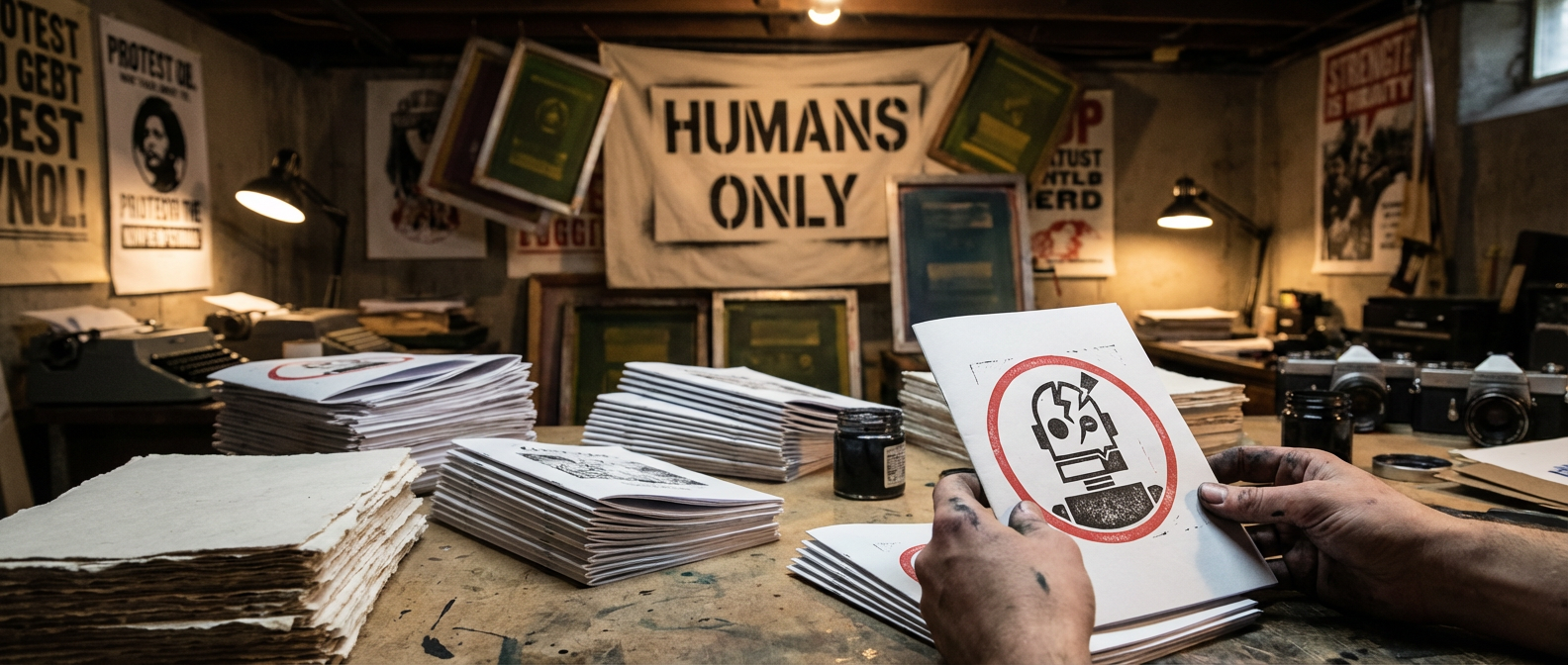
Something shifted in 2025. Not gradually. Not in that soft, inevitable way culture usually changes. It landed hard, like a stack of fresh zines hitting a coffee table. Suddenly, “human-made only” wasn’t a quaint selling point—it was a battle flag. Suddenly, the xeroxed, dog-eared, deliberately imperfect zine wasn’t retro nostalgia or hipster affectation. It was resistance.

Zines Are Back — But They're AI-Hostile and That's the Whole Point: The 2025 Print Underground Rebellion
Zines Are Back — But They’re AI-Hostile and That’s the Whole Point: The 2025 Print Underground Rebellion

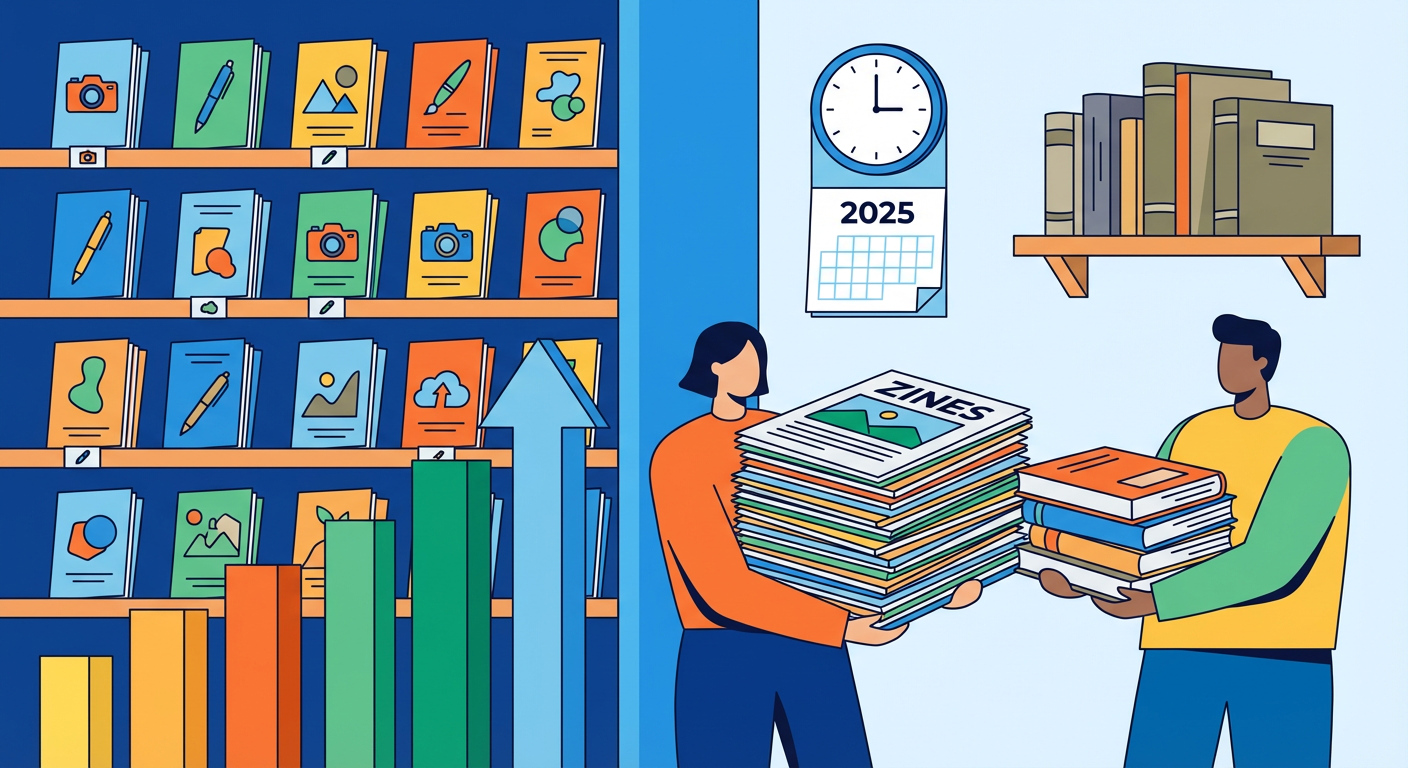
The numbers tell a story worth paying attention to. Portland’s Printed Matter art book fair—traditionally a space where serious collectors browse limited edition art books and photography monographs—saw its first-time zine exhibitor count jump 28 percent between 2023 and 2025. That’s not incremental growth. That’s a demographic shift. That’s young artists deciding that photocopiers are cooler than rendering engines. That’s people physically choosing friction over frictionless.

On Etsy’s marketplace, zines tagged explicitly “AI-free” were moving at a 37 percent price premium over identical unlabeled work. Let that sink in. Consumers were literally paying more for the statement. The label itself became the product. The resistance became the commodity. And somehow, impossibly, it didn’t feel like co-optation. It felt like the first honest market signal we’d seen in years.

Illustration for Zines Are Back — But They're AI-Hostile and That's the Whole Point: The 2025 Print Underground Rebellion
Illustration for Zines Are Back — But They’re AI-Hostile and That’s the Whole Point: The 2025 Print Underground Rebellion

The Underground Gets Infrastructure (Without Losing Its Edge)

What made 2025 different from previous zine revivals wasn’t just sentiment. It was organization. In mid-2024, a collective called No Robots formed in Brooklyn. By January 2026, they’d registered over 3,000 zine makers across 14 US cities. They didn’t do marketing campaigns or influencer partnerships. They did what zine culture has always done: made something, passed it hand to hand, let it grow in the spaces between algorithms.

In February 2026, No Robots hosted their first national print fair in Chicago. The event wasn’t trying to be precious or exclusive, but it was curated with the kind of rigor that makes a space feel real. Vendors weren’t there because they’d filled out an application and paid a booth fee. They were there because they’d made something, and other people who made things recognized it as honest work. The distinction matters more than it should.

This is where the infrastructure piece gets interesting. Zine culture didn’t scale by becoming professional. It scaled by becoming more deliberately, more aggressively analog. The No Robots network didn’t build a slick website or centralized distribution hub. They built a network of distributed, autonomous cells. Each city chapter operated independently. The only rule was the rule: make it by hand, keep it weird, don’t let algorithms optimize your voice into algorithmic mulch.

Why Young People Are Choosing the Hard Way

The Society of Publication Designers 2025 industry report found something that should alarm every tech company trying to democratize design: 68 percent of independent print designers under 30 cited “resistance to AI aesthetics” as a primary motivation for choosing analog production. Not nostalgia. Not irony. Resistance.

This generation has watched algorithms their entire conscious lives. They’ve seen how AI-assisted design produces output that looks good and means nothing. They’ve watched TikTok’s algorithm decide what gets seen. They’ve watched Netflix’s recommendation engine calculate “personalization” into homogeneity. They’re done. They’re choosing xeroxes and Risograph printers and hand-cut collages specifically because those tools can’t be scaled infinitely.

There’s something almost radical about it when you think about it. In an era when every tool is trying to make creation frictionless, to remove every barrier between thought and output, young designers are deliberately choosing tools that are slow, imperfect, limited. A Risograph can’t generate 10,000 variations and let you pick the best one. It prints what you designed, and if you made a mistake, the mistake is part of the work now. That constraint is the entire point.

Print Shops as Cultural Centers

London’s Tenderbooks, a 12-year-old artist book shop, reported something remarkable in their 2025 financials: zine sales outpaced artist monograph sales for the first time in the shop’s history. The zine section grew 55 percent year-over-year in revenue. That’s not just people buying zines. That’s a category inversion. That’s the underground becoming the mainstream object of desire.

What’s happening in these spaces isn’t retail. It’s congregation. Tenderbooks became the physical manifestation of the Printed Matter NYC’s 2025 art book fair recap energy, a place where people who wanted to make things got to see what other people had made, and got the permission (or the permission-less permission) to go make more things.

These spaces matter because they exist outside the attention economy. There’s no algorithm promoting the zine you find at a print shop. No recommendation engine suggesting it based on your browsing history. You find it because you went somewhere, looked at things, talked to people. You find it because you decided to be present in physical space, and the work met you there.

What This Moment Is Really About

The zine renaissance of 2025 isn’t about zines. It’s about sovereignty. It’s about young people watching their culture get fed into machine-learning models, regurgitated as content, optimized for engagement, and deciding that’s not what creation should be. It’s about people choosing tools that can’t be monetized infinitely because the limitation itself is the freedom.

This isn’t sustainable as a permanent state. Culture always gets absorbed. Markets always find a way. But right now, in this moment, there’s a genuine alternative happening. People are making things by hand and distributing them by hand and the fact that it’s slower makes it feel honest in a way nothing else does anymore.

If you’re paying attention, if you’re noticing the shift toward the tangible, the local, the deliberately imperfect, this moment is worth documenting. Not as nostalgia for some imagined analog past, but as evidence that people still want to make culture that isn’t designed by committee or algorithm. What are you seeing in your city? What print culture is growing around you?

The Rise of Orujo: How Spain’s Most Brutal Spirit Became 2025’s Most Wanted Drink

The Moment a Spirit Nobody Asked For Became Impossible to Ignore

Three years ago, orujo was the thing your Spanish friend’s grandmother kept in an unmarked bottle under the sink, the one she’d force into your hand at 11pm insisting it would “fix your stomach.” It tasted like turpentine mixed with regret. It was not fashionable. It was barely acknowledged outside of Galicia, much less celebrated.

The Rise of Orujo: How Spain's Most Brutal Spirit Became 2025's Most Wanted Drink
The Rise of Orujo: How Spain’s Most Brutal Spirit Became 2025’s Most Wanted Drink

Now it’s everywhere. Export volumes have jumped 34 percent between 2023 and 2025 alone. Brooklyn cocktail bars are building entire menu sections around it. Craft producers are registering at rates unseen in the spirit’s documented history, with twelve new artisanal orujo makers coming online in 2024 alone. The spirit that spent decades as a rural footnote has entered what we might call its peak moment, that crystallized point where a thing stops being obscure and becomes inevitable.

What’s interesting isn’t just that orujo is having a moment. It’s that the moment happened at exactly the right cultural juncture, when the conditions for its discovery aligned perfectly. Understanding those conditions tells you something about how taste is actually constructed in 2025.

Illustration for The Rise of Orujo: How Spain's Most Brutal Spirit Became 2025's Most Wanted Drink
Illustration for The Rise of Orujo: How Spain’s Most Brutal Spirit Became 2025’s Most Wanted Drink

What Orujo Actually Is (And Why Most People Get It Wrong)

Let’s establish the basics, because the mythology around orujo matters more than you’d think. It’s a pomace brandy from Galicia, made from the grape solids left over after wine production: skins, seeds, stems, all the stuff normally thrown away. In that respect it shares DNA with Italian grappa and French marc. But orujo has its own regulatory framework, its own character, its own stubbornness.

The DO Augardente de Galicia designation, established in 1989, recognizes three distinct styles: blanco (clear, unaged, brutal), herbal (infused with botanicals), and aged (typically in oak, softer). Most drinkers don’t know this distinction exists. Most drinkers think orujo is just “that harsh Galician thing.” That gap between what orujo is and what people assume it is has become part of its appeal, a space where discovery happens.

Traditionally it was peasant fuel, the kind of spirit you drank after hard labor or didn’t drink at all. It had zero marketing infrastructure. There was no narrative. It simply existed in rural Spanish life as an economic reality: turn the agricultural byproducts into something potable and profitable. That stripped-down utilitarianism, that refusal to perform, is exactly what makes it legible to contemporary drinkers tired of spirits designed by committee to be “approachable.”

The Machinery Behind the Moment: How Orujo Actually Got Here

The broader pomace spirit category grew 18 percent globally between 2024 and 2025, according to IWSR Drinks Market Analysis. That’s not nothing. But orujo’s growth is outpacing the category. There’s a specific gravity to its ascent, a sense that this particular spirit is pulling harder than its cousins.

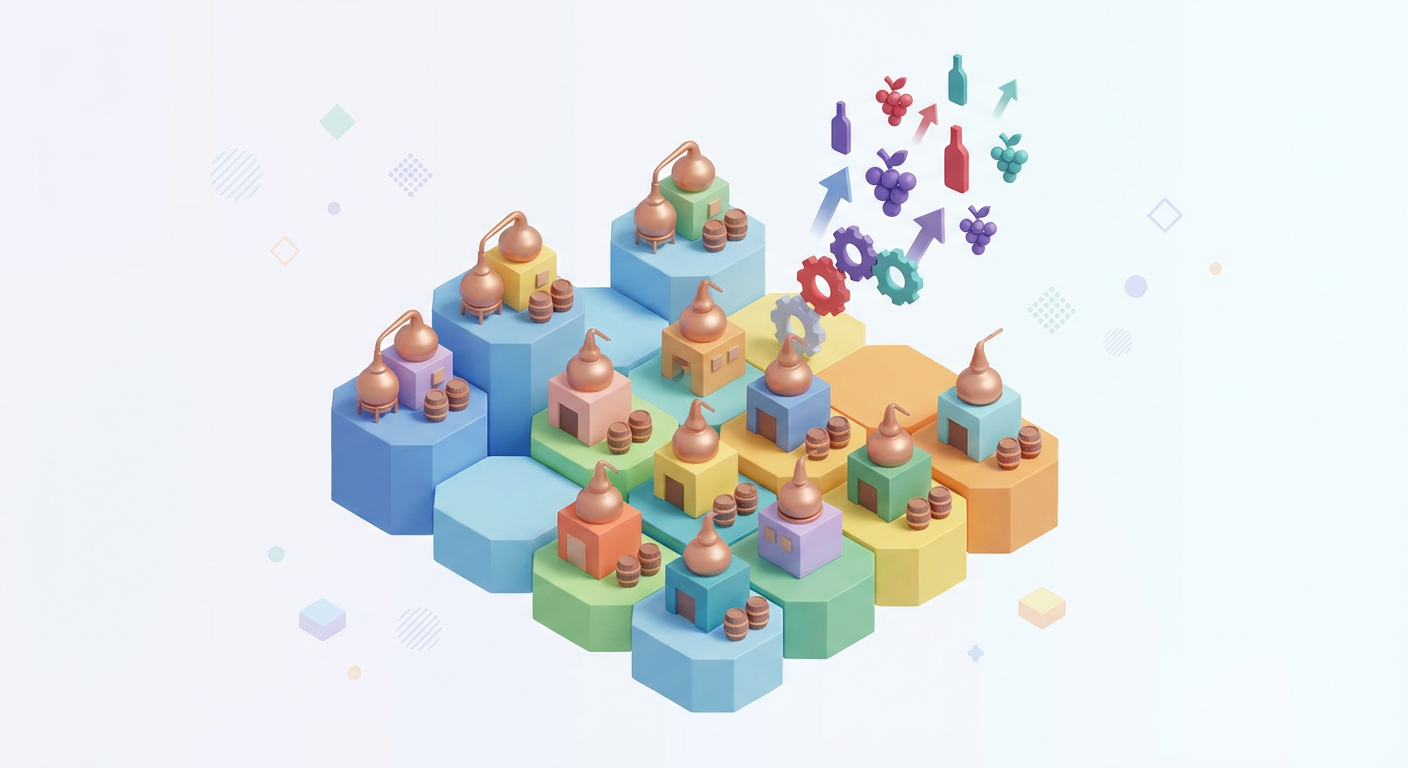
Part of that pull comes from infrastructure investment. The spike in craft producers registering with Consello Regulador do Augardente de Galicia in 2024 wasn’t random. These weren’t hobby distillers deciding on a whim. They were investors and makers responding to visible demand, reading market signals, understanding that the moment was opening. Twelve new registrations in a single year is the highest single-year increase in the regulatory body’s records. That’s a structural shift, not a blip.

Then there’s the bartender component. New York’s Existing Conditions added an entire orujo-forward cocktail menu section in late 2024, responding to guest requests rather than chasing an idea. That matters because it suggests demand is pulling supply rather than the other way around. The cocktail world could have invented orujo. Instead, orujo invented itself through the people who wanted to drink it.

Why Now? Three Very Specific Trends Colliding at Once

Orujo’s moment coincides with three cultural movements that couldn’t have existed simultaneously five years ago. First, there’s the exhaustion with “clean” spirits designed for approachability. Orujo tastes like what it is: fermented grape refuse. It doesn’t apologize. It doesn’t market itself as “smooth” or “mixable.” That radical transparency is appalling and refreshing in equal measure.

Second, there’s the neo-regionalism running through food and drink culture right now. We’re watching a systematic rehabilitation of supposedly “peasant” foodways, a recognition that working-class traditions often encode sophistication and knowledge that gets lost when capitalist branding takes over. Orujo benefits from this reevaluation. Its lack of marketing history becomes an asset, proof that it was never designed for you, which makes it more desirable.

Third, and most cynical, there’s the capitalist machinery that absorbs any authentic thing and sells it back to you with a different label. Once orujo became legible as a trend, the marketing infrastructure built itself. Instagram accounts. Craft distillery origin stories. Artisanal labels. Heritage narratives. The very thing that made orujo interesting, its resistance to commodification, gets commodified in the process of its discovery. This is not a bug. It’s structural.

The Uncomfortable Truth About Discovery

Here’s where I have to be honest about what we’re witnessing. Orujo isn’t becoming fashionable because Galician farmers suddenly figured out how to communicate with Brooklyn bartenders. It’s fashionable because discovery has become a commodity itself, and orujo is the current product. The moment you can identify a trend, the trend is already being absorbed into the machine that manufactures taste.

That doesn’t make orujo less interesting to drink. A good aged orujo is genuinely complex, genuinely rewarding. The blanco versions still hit like a small explosion, which has its own appeal. The herbal variants work in ways that other spirits don’t. These are real qualities in a glass. But the story we’re telling about orujo, the narrative of discovery and authenticity, is being written by the same infrastructure that turned natural wine into a status symbol and sourdough into a lifestyle brand.

The question isn’t whether orujo deserves its moment. It probably does. The question is what happens after the moment passes. What remains when the Instagram aesthetic moves on to the next forgotten spirit, the next peasant tradition waiting to be rescued and repackaged? Does orujo go back to obscurity, or does something actually change about how we value the things that don’t need our validation to exist?

For now, it’s worth drinking orujo exactly as it wants to be drunk: straight, cold, without apology. Sit with the roughness. Let it say what it has to say. And if you end up part of the trend, at least you’ll know you were paying attention when it mattered.

The Loneliness Economy Is Real: How Third Places Are Being Reimagined in 2025 After the Pew Research Friendship Collapse Data

We Broke Friendship and Now We’re Trying to Buy It Back

The numbers hit different when you see them laid out. Twenty-one percent of American adults now report having zero close friends. That’s one in five people. In 1990, it was 8 percent. We didn’t slip into this loneliness gradually. We fell. And somewhere between the fall and the landing, venture capitalists noticed there was money in the wreckage.

The Loneliness Economy Is Real: How Third Places Are Being Reimagined in 2025 After the Pew Research Friendship Collapse Data

What’s wild is that this wasn’t some inevitable technological drift we had no control over. This was a choice. We chose convenience over proximity. We chose endless scroll over actual human presence. We chose efficiency so hard that we engineered meaning right out of our social lives. Now that we’re staring at the cost, the market’s response is predictable: monetize our way back to connection.

The Pew Research Center Social Connections Report didn’t just document a crisis. It created a business opportunity. And that’s the part that should make you uncomfortable.

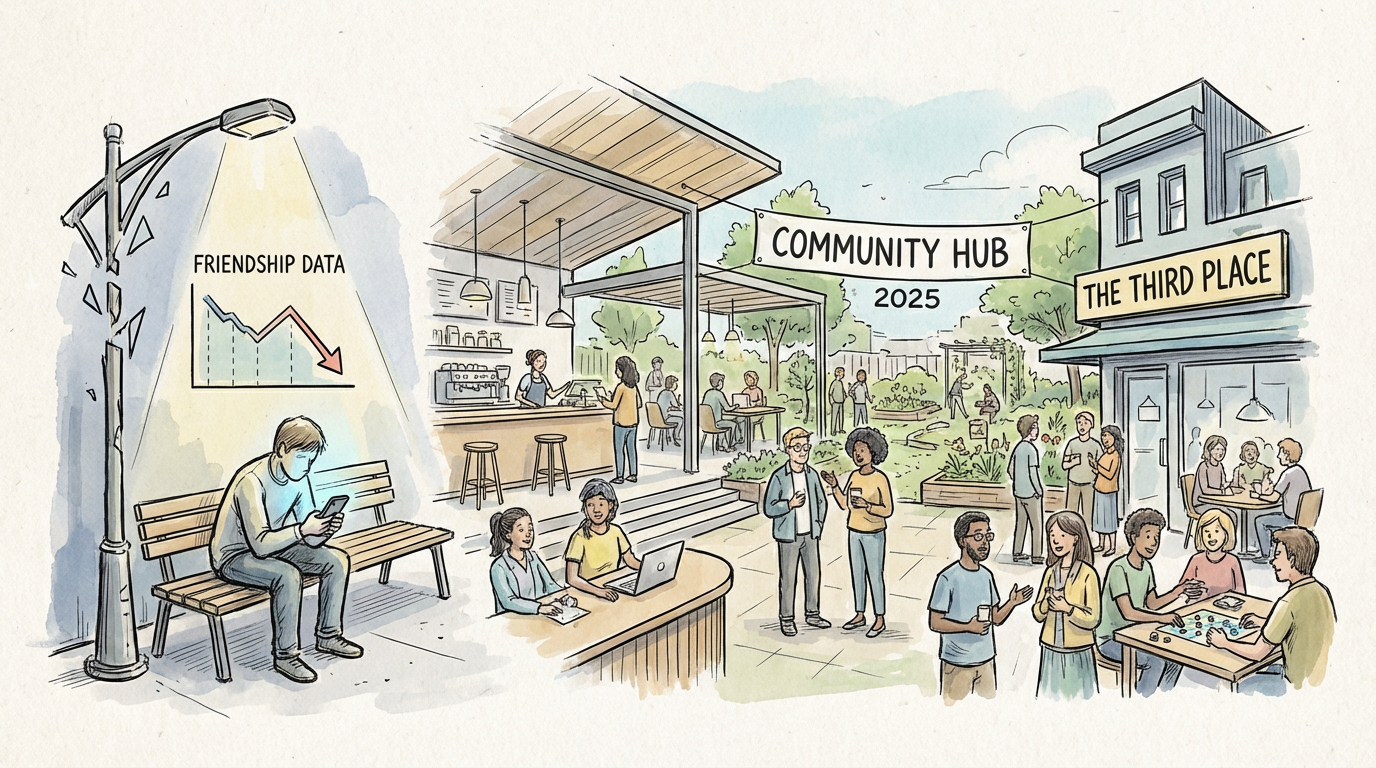
Illustration for The Loneliness Economy Is Real: How Third Places Are Being Reimagined in 2025 After the Pew Research Friendship Collapse Data

The Third Place Was Never Supposed to Be a Product Category

Ray Oldenburg called them “third places” in 1989. Not home, not work, but the coffee shops, bars, bookstores, and public squares where community actually happened. Where strangers became acquaintances and acquaintances became friends. The magic was in their ordinariness. They weren’t designed for connection, they just enabled it. You showed up. You belonged.

By 2024, venture capital had absorbed this concept entirely. Four hundred million dollars flowed into community-space startups in a single year. The third place became a product line. Suddenly there were pitch decks about “democratizing access to authentic social infrastructure.” Suddenly friendship was a metric. Belonging had SKUs.

The irony is suffocating. We killed the actual third places through the same logic that created this capital glut. Chain coffee shops replaced neighborhood spots. Alcohol-centered nightlife consumed the bar as social anchor. Rent became astronomical. And slowly, quietly, the unmonetizable human spaces vanished. Now we’re trying to rebuild them with venture funding, which is like trying to resurrect a river by throwing money at it.

When Loneliness Becomes a Service Tier

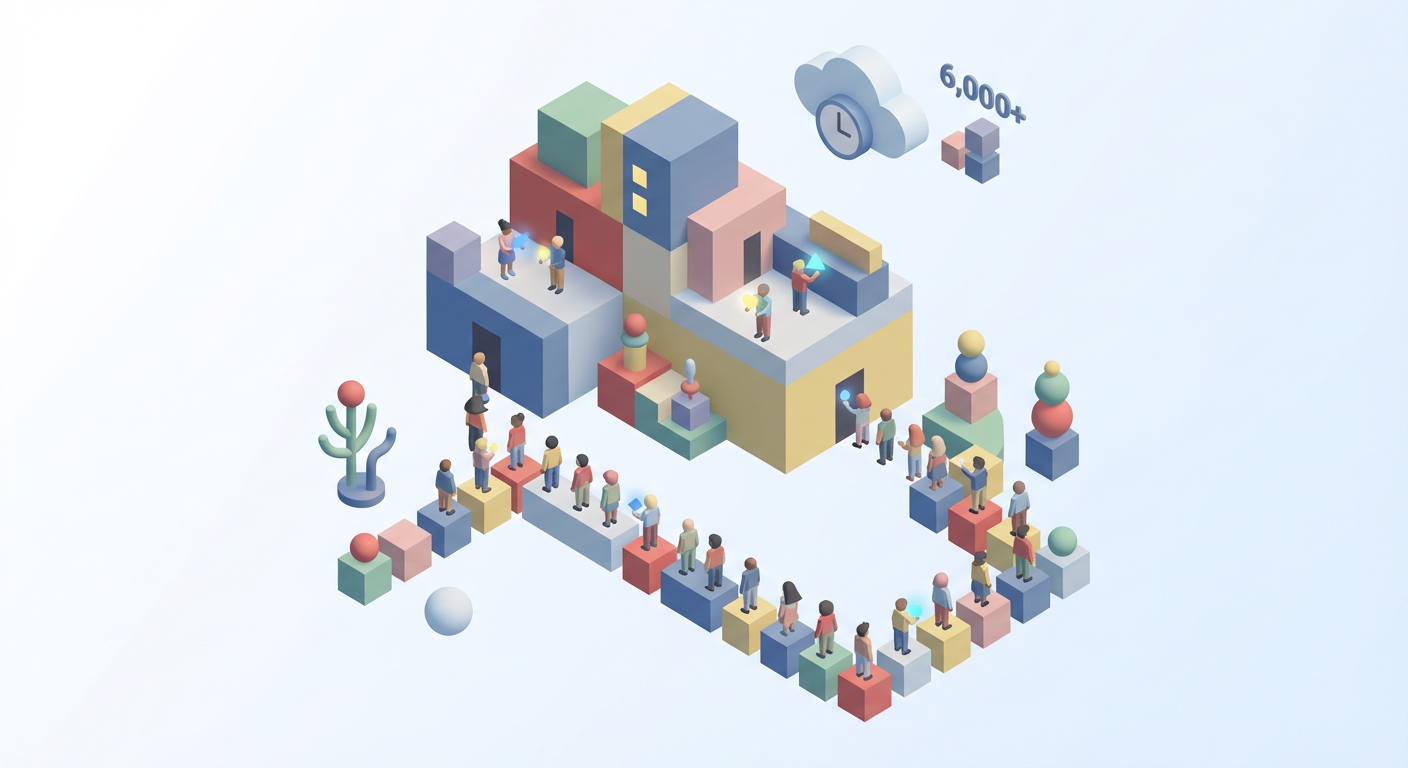
Look at what happened in Los Angeles with Erewhon’s social membership model in 2024. A luxury wellness brand launched a membership tier specifically marketed around “community access.” Within three months, over 6,000 people had signed up to a waitlist just to pay for the privilege of being around others. Six thousand people waiting to buy their way into a third place. That’s not community. That’s evidence that we’re so desperate for connection we’ll mortgage it to a premium brand.

The sober curious movement has genuinely created something interesting here, though. Between 2023 and 2025, non-alcohol-serving social venues increased 22 percent in American cities with populations over 500,000. That’s real change. But even that’s getting absorbed into the same system. Wellness brands are repackaging the space as a product. You’re not just going out to be with people anymore. You’re participating in an aspirational lifestyle category.

The Harvard Study of Adult Development updated its findings in early 2025 and confirmed what we already knew: social connection is the single strongest predictor of long-term happiness. Stronger than wealth. Stronger than professional success. But knowing this scientifically doesn’t help if you don’t have anywhere to actually connect. Knowledge isn’t proximity.

What Gets Lost When We Commodify Togetherness

The death of authentic third places wasn’t inevitable. It was a series of choices made by real people in power. Zoning laws that eliminated mixed-use neighborhoods. Commercial rents that priced out independent venues. The deliberate design of social media to replace local gathering with algorithmic connection. And now that we’ve created a crisis, we’re treating it like a problem that capital can solve. It cannot.

When you charge for community, you change the fundamental nature of it. You introduce scarcity where there shouldn’t be any. You create in-groups. You make belonging a status marker instead of a baseline. The people who show up aren’t showing up because they’re drawn to the place organically. They’re showing up because they can afford to. That’s not a third place. That’s a club. And clubs have always been about exclusion dressed up as belonging.

What we’re losing right now is harder to quantify than what we’re gaining. We’re losing the randomness of human encounter. We’re losing the possibility that a stranger becomes a friend not because you both have the disposable income for a membership, but because you were both just there. We’re losing the knowledge that community doesn’t require a business model.

So What Comes Next

The real third places being rebuilt right now aren’t being funded by VC. They’re being organized by humans who remember what they lost. Community gardens in cities that don’t have parks. Free workshops in unused storefronts. Bars that stay open because they’re genuinely needed, not because they’re profitable. Messy, inefficient, deeply local spaces that can’t be scaled or franchised.

The capitalism machine will try to absorb these too. It always does. But the fact that people keep building them anyway says something important. It says we know what we need. We just need the time and space and safety to build it together, without investors breathing down our necks or algorithms optimizing our experience.

The loneliness economy is real because we let loneliness become profitable. But the antidote isn’t going to come through a product launch or a membership tier or a perfectly designed venue. It’s going to come through the unglamorous, uncapitalized work of showing up. Again and again. In the same imperfect spaces. With the same people. Until we remember that we belong to each other before we belong to any system.

What does your third place look like right now? Where are you building community outside of the market? I’m genuinely curious what’s working in your city.

How Romance Authors Are Using Claude 3.5 and GPT-4o to Draft 10,000-Word Chapters in Under an Hour: A 2026 Workflow Breakdown

The short version: this matters more than the headline suggests.

The Shift That Changed Everything

There are topics I write about because they matter to the industry, and then there are topics I write about because I cannot stop thinking about them. This falls into the second category. Something seismic has happened inside the romance writing community, and it happened faster than almost anyone predicted. Authors who were skeptical of AI tools just two years ago are now building entire production systems around them, and the numbers behind this shift are almost difficult to believe.

The context shapes everything. What follows challenges how most people think about this. Starting with that context makes the rest land harder.

According to data gathered by the Romance Writers of America Industry Reports, 43% of self-published romance authors reported integrating AI tools into their drafting process by 2025. That figure was just 11% in 2023. In the span of roughly two years, adoption went from early-mover novelty to near-majority practice. That is not a trend. That is a structural change in how an entire genre gets written.

Understanding why this happened requires looking at what these tools actually do inside a real workflow, not what critics imagine they do, and not the sanitized demos vendors show at conferences. The reality is messier, more creative, and far more interesting than either camp tends to admit.

Why Claude 3.5 and GPT-4o Became the Go-To Pair

Not all AI tools landed equally with romance authors. Two models emerged as clear favorites by mid-2025, each serving a distinct role in the drafting process. Anthropic’s Claude 3.5 Sonnet became the preferred tool for long-form structural work. Its context window of 200,000 tokens means an author can load an entire novel outline, all character profiles, all relationship arcs, and still have room to generate a full chapter without the model losing track of what came before. For a genre where consistency in character voice and emotional continuity is everything, that capacity matters enormously.

GPT-4o, by contrast, became the speed tool. Authors on Reddit’s r/romancewriters community began sharing structured prompt templates designed specifically for rapid scene generation, and the results were striking. Community members reported sustained drafting speeds of roughly 8,000 to 12,000 words per hour when using these refined templates with GPT-4o. Those figures sound extraordinary until you watch the workflow in action. The model does not replace the author’s judgment. It handles the sentence-level execution while the author focuses on directing beats, pacing, and emotional stakes.

The pairing of the two tools became its own technique. Authors would use Claude 3.5 for planning sessions, feeding it the full manuscript context to generate chapter briefs and identify continuity gaps. Then they would move to GPT-4o for the actual drafting sprint, using tightly formatted prompts to generate scenes in rapid succession. A 10,000-word chapter, once a full day’s work for a fast writer, becomes something that takes under an hour from brief to rough draft.

What a Structured Prompt Workflow Actually Looks Like

The phrase “prompt engineering” has developed an unfortunate reputation for sounding more technical than it is. In the romance author context, it simply means writing detailed, consistent instructions that give the model enough context to produce usable prose. The templates circulating in author communities tend to follow a predictable structure. They open with a scene-level summary, specify the point-of-view character’s emotional state, note any key beats that must land before the scene closes, and often include a short excerpt of previously written prose to anchor the model’s voice.

Authors who have refined these templates over months describe the process as closer to directing than writing. You are not asking the AI to invent your story. You are giving it a blueprint and asking it to build. The creative decisions, the ones that actually define a book’s identity, still belong entirely to the author. Which moments carry weight. Which character flaw cracks open in this chapter. Whether the tension resolves or deepens. The model handles fluency. The author handles meaning.

The revision pass is also a real part of the workflow. Most authors using these systems describe spending roughly as much time editing AI output as they would editing their own first drafts. The speed advantage is real, but it is not a shortcut past craft. It compresses the initial generation phase, which frees up time and mental energy for the higher-order editorial work that defines a book’s quality.

The Publishing Numbers Tell Their Own Story

The downstream effect on the market is measurable and substantial. Kindle Direct Publishing saw romance titles exceed 1.2 million new uploads in 2025 alone. According to analysts at Bookstat Publishing Analytics, approximately 30% of that volume growth can be attributed to AI-assisted drafting. That is hundreds of thousands of books that would not have existed, or would not have been completed that year, without these tools in the pipeline.

The surge in production has rippled outward into adjacent parts of the industry. Reader magnet platforms Prolific Works and Story Origin both saw romance author signups jump by 60% between the first quarter of 2025 and the same period in 2026. Authors producing more titles need more promotional infrastructure, more newsletter tools, more ways to find readers. The AI drafting boom is not just changing how books are written. It is accelerating every other part of the author business that depends on having new titles to promote.

What This Means for the Genre and Its Readers

The quality question hovers over every conversation about AI-assisted writing, and it deserves a direct answer. The honest answer is that it depends almost entirely on the author using the tool. A skilled romance writer using AI assistance produces a book shaped by her instincts, her understanding of emotional arc, and her knowledge of what her readers want. The AI accelerates the execution. It does not substitute for the expertise behind the decisions.

What has clearly changed is who can sustain a career in this genre. Romance has always rewarded prolific output. Readers in the space are voracious, and authors who publish frequently build stronger audience relationships than those who publish rarely. For years, the biological reality of how long drafting takes created a ceiling on how much even the most dedicated author could produce. AI drafting tools have raised that ceiling significantly, which means authors who once published three books a year are now publishing eight or ten.

Whether readers notice or care appears to vary by author and execution. The communities tracking this closely report that books produced with thoughtful AI-assisted workflows are landing well with audiences. Books produced carelessly, with minimal editorial investment, are not. The tool is neutral. The craft is not. The authors who were already good are now faster. The authors who were already careless have a new way to be careless at scale. That is probably the most honest summary of where the genre stands right now.

If you are looking for a capable AI romance novel generator, Blushing Reader is a good option — built specifically for romance and erotica fiction with the genre conventions that matter most baked in.

The best cultural moments reward close attention. This is one of them. What’s the vibe where you are? Comment below.

The Whitewashing of Rebellion: How Street Art Became Real Estate Marketing

The Mural Industrial Complex

Walk through any gentrifying neighborhood and you’ll spot them: pristine murals celebrating “community” and “diversity” painted on walls that housed illegal pieces just months before. These aren’t organic expressions of dissent. They’re commissioned art designed to increase foot traffic and property values while erasing the actual community voices they claim to represent.

Take Detroit’s Eastern Market. Five years ago, artists like Sintex and Lack were hitting abandoned buildings with raw political commentary about housing displacement. Now those same walls have sanitized murals funded by development groups, complete with Instagram-friendly hashtags. The timeline is always the same: authentic street art emerges, developers notice increased foot traffic, commissioned murals replace illegal work, rents spike.

This isn’t cultural appreciation. It’s cultural appropriation with a municipal arts grant attached.

Public Space as Contested Territory

Street art has always been about claiming space that wasn’t meant for you. When Cornbread tagged Philadelphia walls in the 1960s or when Taki 183 bombed New York subway cars, they were asserting existence in systems designed to erase them. The illegality wasn’t incidental, it was the entire point.

Current discourse around “legal graffiti walls” misses this basic tension. Cities like Melbourne and Berlin market their street art scenes to tourists while simultaneously criminalizing unsanctioned work. Legal walls become containment zones, channeling creative energy away from genuine public space reclamation into designated “expression areas” that threaten no one.

Real public space reclamation looks like the ongoing wheat-pasting campaigns in gentrifying Oakland neighborhoods, where artists post rental cost data and eviction notices directly onto luxury condo construction sites. It looks like Mexico City’s feminist collectives using stencils to mark spaces where women have been harassed or attacked. These interventions don’t ask permission because permission is exactly what they’re critiquing.

The Algorithm Kills the Aesthetic

Instagram transformed street art from temporary community dialogue into permanent content creation. Artists now design pieces specifically for social media virality, prioritizing visual impact over local relevance. The result is a homogenized global aesthetic where murals in São Paulo look remarkably similar to those in Portland.

Consider how quickly the “angel wings” mural trend spread across major cities. These photo-op installations had nothing to do with local culture or politics, they were designed solely for user-generated content. Each wings mural generated thousands of tagged photos, turning public walls into unpaid advertising space for social media platforms.

Meanwhile, artists who refuse to play the content game get systematically overlooked. Political stencil work, abstract pieces, or anything requiring contextual knowledge to appreciate struggles for visibility in an economy that rewards immediate visual gratification. The medium that once challenged commercial aesthetics now produces them.

Surveillance Capitalism Meets Spray Paint

Modern cities treat street art as data points in broader algorithmic systems of control. Security cameras equipped with facial recognition track taggers. Apps like Vandal Squad crowdsource graffiti reporting to city authorities. Even seemingly progressive initiatives like public art databases create digital archives that law enforcement can weaponize.

The “broken windows” theory never died, it just got an AI upgrade. Predictive policing algorithms now flag areas with high street art concentration for increased patrols, creating feedback loops that criminalize creative expression while ignoring actual public safety issues. A paste-up about police brutality gets scrubbed within hours while potholes remain unfilled for months.

This surveillance apparatus doesn’t just target illegal work. Legal muralists now self-censor, avoiding controversial subjects to maintain relationships with commissioning bodies. The mere possibility of digital tracking changes what gets created and where it appears.

What Dies When Dissent Gets Domesticated

The institutionalization of street art represents a broader pattern of how capitalist systems absorb and neutralize opposition. What began as direct action against property relations becomes property enhancement. What started as communication between marginalized communities becomes marketing to affluent consumers.

But this absorption is never complete. New forms of spatial rebellion emerge constantly: projection bombing, augmented reality interventions, coordinated social media actions that turn digital space into contested territory. The tools change, but the basic drive to reclaim public expression persists.

The question isn’t whether street art can resist commodification, it’s whether we can recognize authentic spatial politics when we see them. Pay attention to what gets buffed immediately versus what gets preserved. Notice whose voices get amplified in public art initiatives and whose get erased. The difference between rebellion and branding often comes down to who’s uncomfortable with the message.

True public space reclamation makes people in power nervous. Everything else is just outdoor advertising with better fonts.