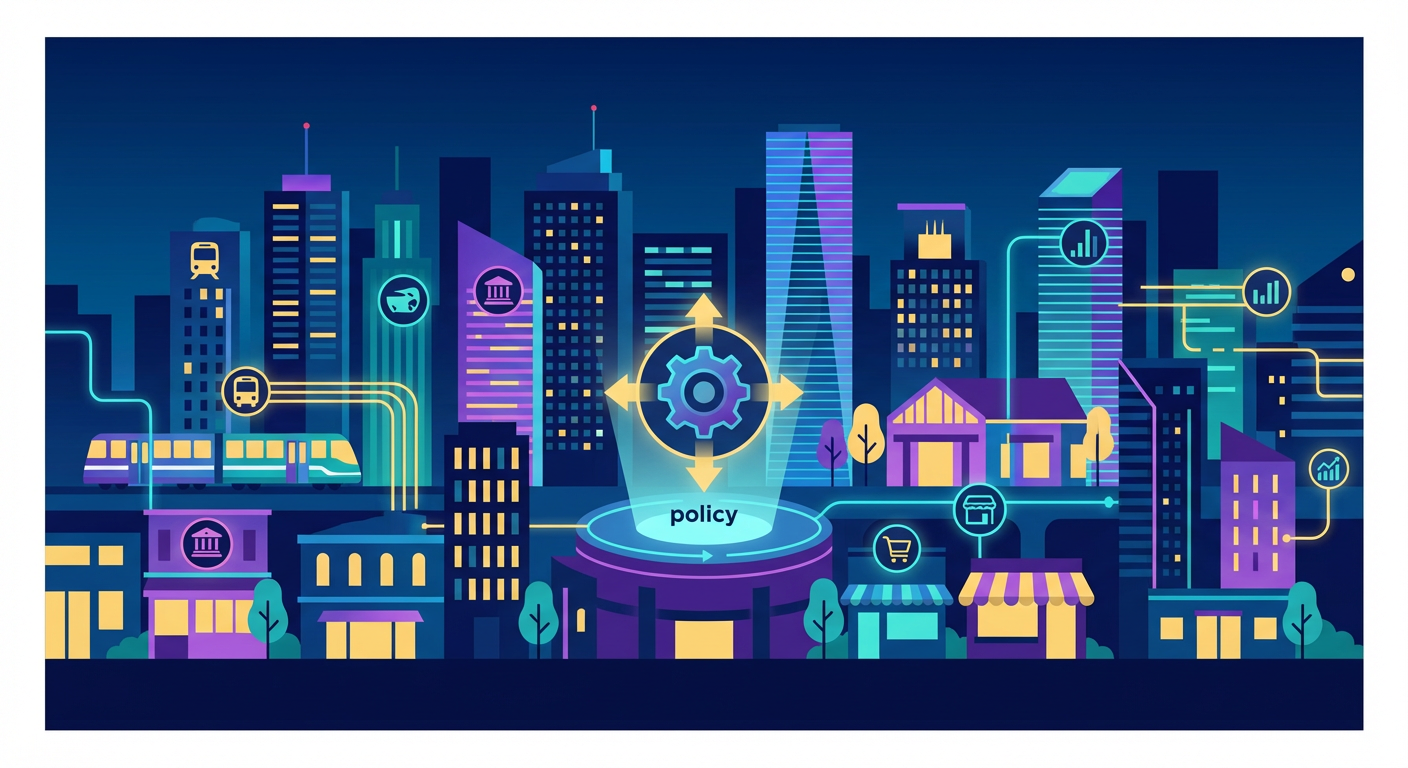
Urban culture and city identity in post-pandemic cities — An Honest Cultural

The standard take is missing the more important signal underneath. Urban culture and city identity in post-pandemic cities deserves more careful attention than the typical coverage provides, and the reason isn’t complicated once you know where to look.

What makes this genuinely different from previous cycles is cultural institution closures reshaping urban arts scenes in mid-size cities. The precise read of the situation is also the more accurate one once you examine what the evidence actually shows. And honestly? It’s messier than most people want to admit.

Urban culture and city identity in post-pandemic cities — An Honest Cultural

The Analysis: Setting the Terms

Remote work permanently reducing office occupancy in downtown cores isn’t just a data point in the story of urban culture and city identity in post-pandemic cities. It’s the structural condition that makes everything else in this analysis make sense. Context like this doesn’t age quickly. The conditions that produced it have been building for years, and the convergence is what makes the current moment distinct from previous moments that looked similar from a distance.

Cultural institution closures are reshaping urban arts scenes in mid-size cities.

Gentrification debates are intensifying as creative class displaces working communities. CityLab urban culture has been tracking this dimension consistently.

What makes this moment worth examining carefully isn’t the novelty but the confirmation. The underlying dynamics have been visible for some time. What’s new is that they’ve reached a threshold where ignoring them requires active effort rather than simple inattention. That threshold crossing is the event, not the underlying movement that produced it.

Night-time economy policies emerging as urban planning focus is part of that same picture. These elements don’t exist in separate silos. They’re reinforcing conditions in the same structural shift.

The Moment That Landed: The Analysis

Night-time economy policies emerging as urban planning focus is where the analysis gets more specific. The surface reading is accessible and not wrong, but it misses the mechanism. The mechanism is where the practical insight lives. What makes this genuinely different from previous cycles is third places like coffee shops, libraries, and parks gaining renewed policy attention. Understanding it changes what you do with the information.

Local media deserts are leaving 200 US counties with no news coverage.

The skeptical counterargument deserves honest engagement. Prior moments with similar surface characteristics didn’t produce the outcomes that seemed logical at the time. That history is real. What’s different now is local media deserts leaving 200 US counties with no news coverage, which isn’t a minor variable. It’s the infrastructure condition that previous cycles lacked. Infrastructure changes tend to be persistent in ways that sentiment-driven changes aren’t. Curbed urban design is one source tracking this dimension with the rigor it requires.

There’s also a distributional question that often goes unaddressed in coverage of urban culture and city identity in post-pandemic cities: who captures the value created by these shifts, and who absorbs the disruption costs? The aggregate picture can be positive while the distribution is uneven in ways that matter enormously to specific participants. Keeping that distributional lens in view is part of reading the situation clearly rather than simply optimistically.

Implications: What This Means If You Care About Peak albums or films

The implications of urban culture and city identity in post-pandemic cities extend beyond the immediate context. Remote work permanently reducing office occupancy in downtown cores combined with the structural conditions described above creates a situation where adjacent fields, decisions, and communities are affected in ways that aren’t always visible from inside the primary story. The second-order effects are frequently more important than the first-order ones, and they’re where careful attention pays the highest returns.

Culturally plugged-in, opinionated, moves fast and thinks slower.

The practical question isn’t whether to engage with these dynamics but how. The answer depends on context — on what role you occupy relative to urban culture and city identity in post-pandemic cities and what your actual decision horizon is. But the first step is the same regardless: accurate understanding of what’s actually happening rather than what the most available narrative says is happening.

A few concrete observations are worth separating out from the broader analysis. First: cultural institution closures reshaping urban arts scenes in mid-size cities isn’t a temporary condition. It’s a new baseline. Second: third places like coffee shops, libraries, and parks gaining renewed policy attention suggests that the adjustment period isn’t over. Third, and most important: the organizations and individuals who are treating the current moment as a new steady state rather than a transition are making a categorization error that will be costly to unwind later.

The Case Against: What the Critics Get Right

Intellectual honesty requires acknowledging the strongest counterarguments, not just the weakest ones. The case against the optimistic reading of urban culture and city identity in post-pandemic cities isn’t trivial. There are structural vulnerabilities in the current picture that deserve direct engagement rather than dismissal.

The most serious objection is the one about sustainability. Gentrification debates intensifying as creative class displaces working communities can be read not as a foundation but as a ceiling — a point beyond which growth becomes self-limiting because of the very dynamics that produced it. If the current state has already incorporated most of the available supply of early-adopting participants, the remaining growth curve may be structurally shallower than the recent trajectory implies.

Local media deserts are leaving 200 US counties with no news coverage.

Looking Forward

The trajectory here is clearer than the pace. Making predictions about when specific thresholds will be crossed is genuinely difficult, and anyone claiming precision about timelines should be treated with skepticism. But the direction — toward remote work permanently reducing office occupancy in downtown cores and continued development of the conditions described above — is supported by the evidence in a way that isn’t contingent on a single variable going right.

Local media deserts leaving 200 US counties with no news coverage is the variable to watch as the leading indicator. Historical patterns suggest it moves first, with broader metrics following with some lag. This doesn’t make the outcome certain, but it makes it legible. And legibility is the precondition for good decisions.

Three questions are worth holding as the story develops. First: are the structural conditions that enabled the current state durable, or are they cyclical? Second: who’s positioned to benefit from the next phase, and does that differ materially from who benefited in the current phase? Third: what would a clean falsification of the optimistic thesis look like, and is there any evidence of that signal emerging? These questions don’t need answers today, but having asked them changes what you notice in the months ahead.

The direction here is clear even when the pace isn’t.

What moment had this effect on you, and can you explain why it worked?
Zhivoderam

Zhivoderam

Where culture gets examined, not just consumed.

Culture moves faster than most publications can keep up with. We hit the brakes and take a closer look at the trends, subcultures, and ideas that influence how we live, dress, talk, and connect with each other. This isn’t about chasing every viral moment or hot take. We’re more interested in understanding what sticks around and why it matters.

Topics we cover: Trends · Subcultures · Identity · Fashion · Language · Digital Life

What Urban cultural memory Reveals About Urban culture and city identity in post-pandemic cities

Everyone’s missing the real story here. Yes, we’re talking about urban culture and city identity after the pandemic, but the surface-level takes aren’t getting at what’s actually happening. And once you see it, it’s pretty obvious.

Here’s what’s different this time around: when you look at how cities remember themselves, you see that cultural institutions closing down is completely reshaping arts scenes in mid-size cities. It’s sad without being sentimental. Real losses are happening, but this isn’t just nostalgia talking – this reading actually matches what the data shows.

What Urban cultural memory Reveals About Urban culture and city identity in post-pandemic cities

The Memory: Setting the Terms

Remote work permanently cutting downtown office occupancy isn’t just another data point about post-pandemic cities. It’s the foundation that makes everything else make sense. This stuff doesn’t get old fast. These conditions have been building for years, and it’s their convergence that makes right now different from other moments that looked similar from far away.

Cultural institutions are closing and reshaping urban arts scenes in mid-size cities.

Gentrification debates are getting more intense as the creative class pushes out working communities. CityLab urban culture has been tracking this consistently.

What makes this worth paying attention to isn’t that it’s brand new. It’s that we’re finally getting confirmation. These patterns have been visible for a while. What’s changed is that they’ve hit a point where you have to actively work to ignore them, rather than just not noticing. That crossing over is the real event, not the slow build that got us here.

And night-time economy policies becoming a focus in urban planning fits right into this same picture. These aren’t separate issues – they’re all part of the same big shift.

Illustration for What Urban cultural memory Reveals About Urban culture and city identity in post-pandemic cities

The Venue Obituary: The Analysis

Night-time economy policies getting serious attention in urban planning – this is where we can get more specific. The obvious reading isn’t wrong, but it misses how this actually works. And the mechanism is where the useful insights live. What makes this different from before is that third places like coffee shops, libraries, and parks are getting real policy attention. Understanding this changes what you do with the information.

Local media deserts are leaving 200 US counties with no news coverage.

The skeptical take deserves a real response: similar-looking moments in the past didn’t lead to the outcomes that seemed logical at the time. That’s true. What’s different now is that 200 US counties have no local news coverage at all. This isn’t a minor detail – it’s an infrastructure change that previous cycles didn’t have. Infrastructure changes stick around in ways that mood-driven changes don’t. Curbed urban design tracks this stuff with the seriousness it deserves.

There’s also a question that doesn’t get enough attention when people talk about post-pandemic cities: who actually benefits from these changes, and who gets stuck with the costs? The big picture might look good while the benefits are distributed in ways that really matter to the people involved. Keeping that in mind is part of seeing the situation clearly instead of just optimistically.

Implications: What This Means If You Care About Venue closures

The effects of urban culture changes go way beyond cities themselves. Remote work cutting downtown office use, combined with everything I’ve described, creates ripple effects that hit adjacent fields and communities in ways that aren’t always obvious. The second-order effects are usually more important than the first-order ones, and paying attention to them gives you the biggest return.

Culturally plugged-in, opinionated, moves fast and thinks slower.

The real question isn’t whether to engage with these changes but how. That depends on your situation – what role you play in all this and what your actual timeline is. But step one is the same for everyone: understand what’s actually happening instead of what the most convenient story says is happening.

A few specific things are worth pulling out from the bigger analysis. First: cultural institutions closing in mid-size cities isn’t temporary – it’s the new normal. Second: the renewed focus on third places like coffee shops, libraries, and parks suggests we’re not done adjusting yet. Third, and most important: organizations and people who are treating this moment like we’ve reached a new steady state instead of still being in transition are making a mistake that will be expensive to fix later.

The Case Against: What the Critics Get Right

Being honest means dealing with the strongest counterarguments, not just the weak ones. The case against being optimistic about post-pandemic urban culture isn’t trivial. There are real structural problems that deserve direct engagement instead of dismissal.

The most serious criticism is about sustainability. Gentrification debates getting more intense as creative communities displace working ones might not be a foundation for growth – it might be a ceiling. A point where growth starts limiting itself because of the very dynamics that created it. If we’ve already absorbed most of the early adopters who were available, the remaining growth curve might be much shallower than recent trends suggest.

Local media deserts are leaving 200 US counties with no news coverage.

Looking Forward

The direction is clearer than the timing. Predicting when specific milestones will hit is genuinely hard, and anyone claiming to know precise timelines should make you suspicious. But the direction – toward remote work permanently reducing downtown office use and continued development of these conditions – is supported by evidence in a way that doesn’t depend on any single thing going right.

Local media deserts leaving 200 US counties without news coverage is the thing to watch as the leading indicator. Historical patterns suggest it moves first, with broader metrics following behind. This doesn’t guarantee the outcome, but it makes it readable. And being able to read the situation is what you need for good decisions.

Three questions are worth keeping in mind as this unfolds. First: are the structural conditions that created the current situation durable, or are they cyclical? Second: who’s positioned to benefit from what comes next, and is that different from who benefited this time? Third: what would clearly prove the optimistic reading wrong, and is there any sign of that signal emerging? These don’t need answers today, but asking them changes what you notice going forward.

The direction is clear even when the timing isn’t.

What place shaped you that no longer exists in the form you knew it?