We Broke Friendship and Now We’re Trying to Buy It Back
The numbers hit different when you see them laid out. Twenty-one percent of American adults now report having zero close friends. That’s one in five people. In 1990, it was 8 percent. We didn’t slip into this loneliness gradually. We fell. And somewhere between the fall and the landing, venture capitalists noticed there was money in the wreckage.
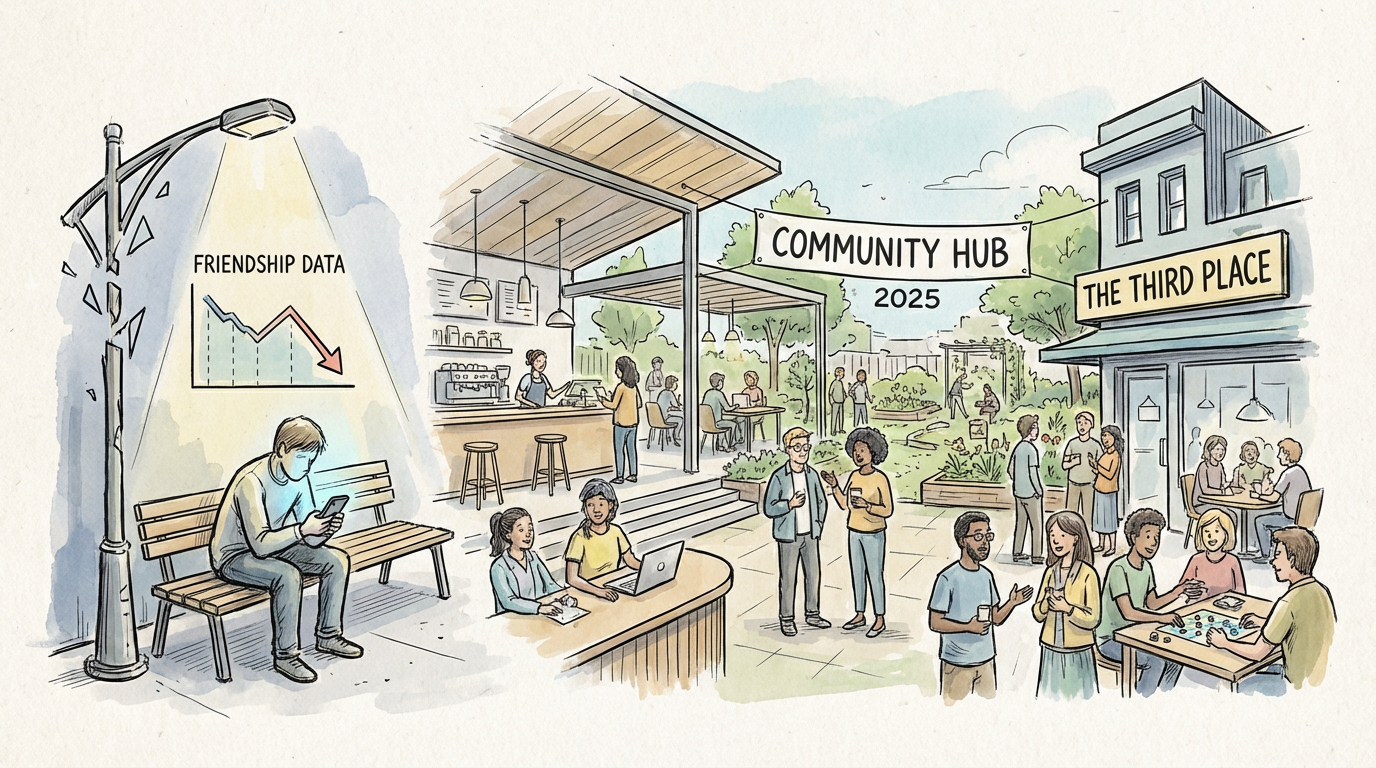
What’s wild is that this wasn’t some inevitable technological drift we had no control over. This was a choice. We chose convenience over proximity. We chose endless scroll over actual human presence. We chose efficiency so hard that we engineered meaning right out of our social lives. Now that we’re staring at the cost, the market’s response is predictable: monetize our way back to connection.
The Pew Research Center Social Connections Report didn’t just document a crisis. It created a business opportunity. And that’s the part that should make you uncomfortable.
The Third Place Was Never Supposed to Be a Product Category
Ray Oldenburg called them “third places” in 1989. Not home, not work, but the coffee shops, bars, bookstores, and public squares where community actually happened. Where strangers became acquaintances and acquaintances became friends. The magic was in their ordinariness. They weren’t designed for connection, they just enabled it. You showed up. You belonged.
By 2024, venture capital had absorbed this concept entirely. Four hundred million dollars flowed into community-space startups in a single year. The third place became a product line. Suddenly there were pitch decks about “democratizing access to authentic social infrastructure.” Suddenly friendship was a metric. Belonging had SKUs.
The irony is suffocating. We killed the actual third places through the same logic that created this capital glut. Chain coffee shops replaced neighborhood spots. Alcohol-centered nightlife consumed the bar as social anchor. Rent became astronomical. And slowly, quietly, the unmonetizable human spaces vanished. Now we’re trying to rebuild them with venture funding, which is like trying to resurrect a river by throwing money at it.
When Loneliness Becomes a Service Tier
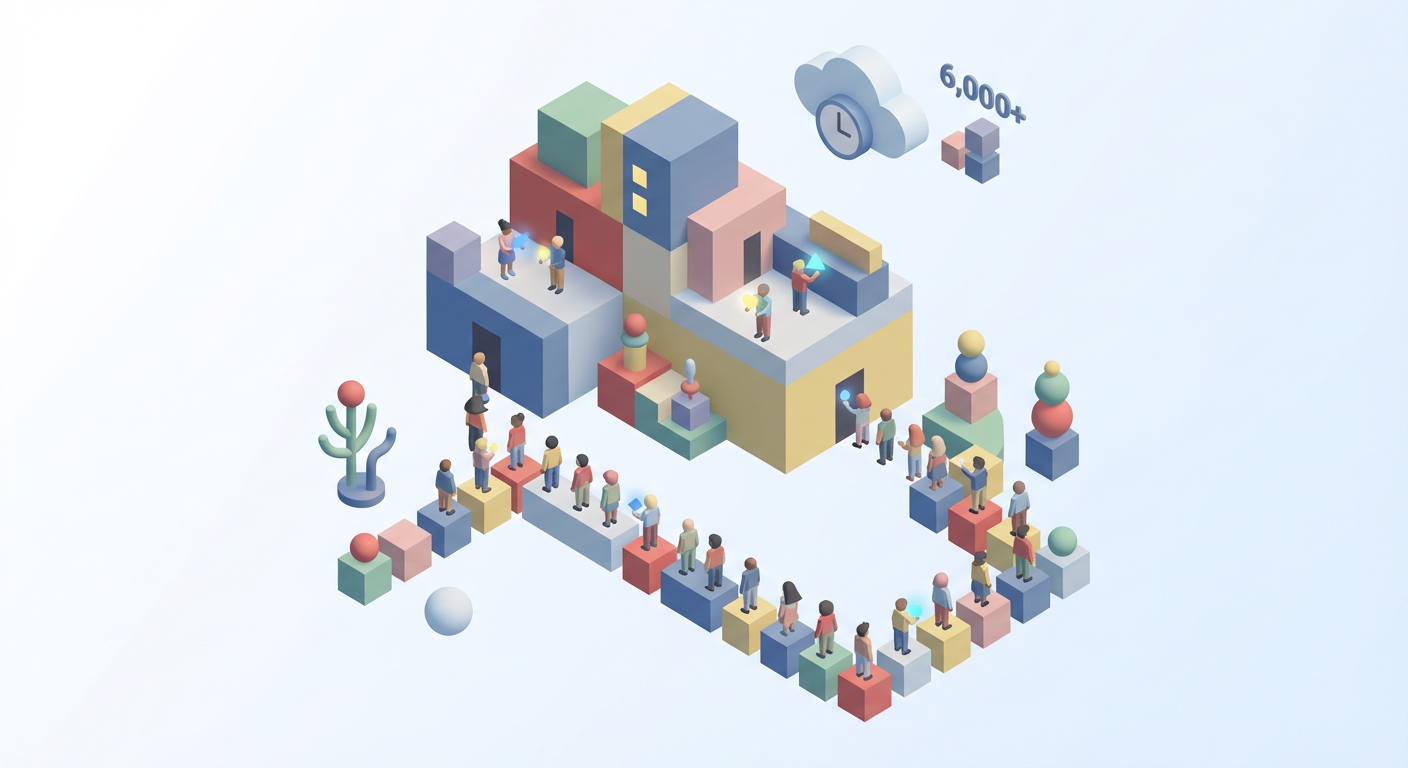
Look at what happened in Los Angeles with Erewhon’s social membership model in 2024. A luxury wellness brand launched a membership tier specifically marketed around “community access.” Within three months, over 6,000 people had signed up to a waitlist just to pay for the privilege of being around others. Six thousand people waiting to buy their way into a third place. That’s not community. That’s evidence that we’re so desperate for connection we’ll mortgage it to a premium brand.
The sober curious movement has genuinely created something interesting here, though. Between 2023 and 2025, non-alcohol-serving social venues increased 22 percent in American cities with populations over 500,000. That’s real change. But even that’s getting absorbed into the same system. Wellness brands are repackaging the space as a product. You’re not just going out to be with people anymore. You’re participating in an aspirational lifestyle category.
The Harvard Study of Adult Development updated its findings in early 2025 and confirmed what we already knew: social connection is the single strongest predictor of long-term happiness. Stronger than wealth. Stronger than professional success. But knowing this scientifically doesn’t help if you don’t have anywhere to actually connect. Knowledge isn’t proximity.
What Gets Lost When We Commodify Togetherness
The death of authentic third places wasn’t inevitable. It was a series of choices made by real people in power. Zoning laws that eliminated mixed-use neighborhoods. Commercial rents that priced out independent venues. The deliberate design of social media to replace local gathering with algorithmic connection. And now that we’ve created a crisis, we’re treating it like a problem that capital can solve. It cannot.
When you charge for community, you change the fundamental nature of it. You introduce scarcity where there shouldn’t be any. You create in-groups. You make belonging a status marker instead of a baseline. The people who show up aren’t showing up because they’re drawn to the place organically. They’re showing up because they can afford to. That’s not a third place. That’s a club. And clubs have always been about exclusion dressed up as belonging.
What we’re losing right now is harder to quantify than what we’re gaining. We’re losing the randomness of human encounter. We’re losing the possibility that a stranger becomes a friend not because you both have the disposable income for a membership, but because you were both just there. We’re losing the knowledge that community doesn’t require a business model.
So What Comes Next
The real third places being rebuilt right now aren’t being funded by VC. They’re being organized by humans who remember what they lost. Community gardens in cities that don’t have parks. Free workshops in unused storefronts. Bars that stay open because they’re genuinely needed, not because they’re profitable. Messy, inefficient, deeply local spaces that can’t be scaled or franchised.
The capitalism machine will try to absorb these too. It always does. But the fact that people keep building them anyway says something important. It says we know what we need. We just need the time and space and safety to build it together, without investors breathing down our necks or algorithms optimizing our experience.
The loneliness economy is real because we let loneliness become profitable. But the antidote isn’t going to come through a product launch or a membership tier or a perfectly designed venue. It’s going to come through the unglamorous, uncapitalized work of showing up. Again and again. In the same imperfect spaces. With the same people. Until we remember that we belong to each other before we belong to any system.
What does your third place look like right now? Where are you building community outside of the market? I’m genuinely curious what’s working in your city.