The Disappearing Act: How Gentrification Erases Culture Before We Even Notice

The Vanishing Point Where Culture Dies

Last month, I watched a developer tear down the warehouse where Patti Smith recorded her first demos. The building had housed three different underground venues over four decades. Each closure happened quietly, without fanfare or protest. By the time anyone noticed, the wrecking ball was already swinging.
The Disappearing Act: How Gentrification Erases Culture Before We Even Notice

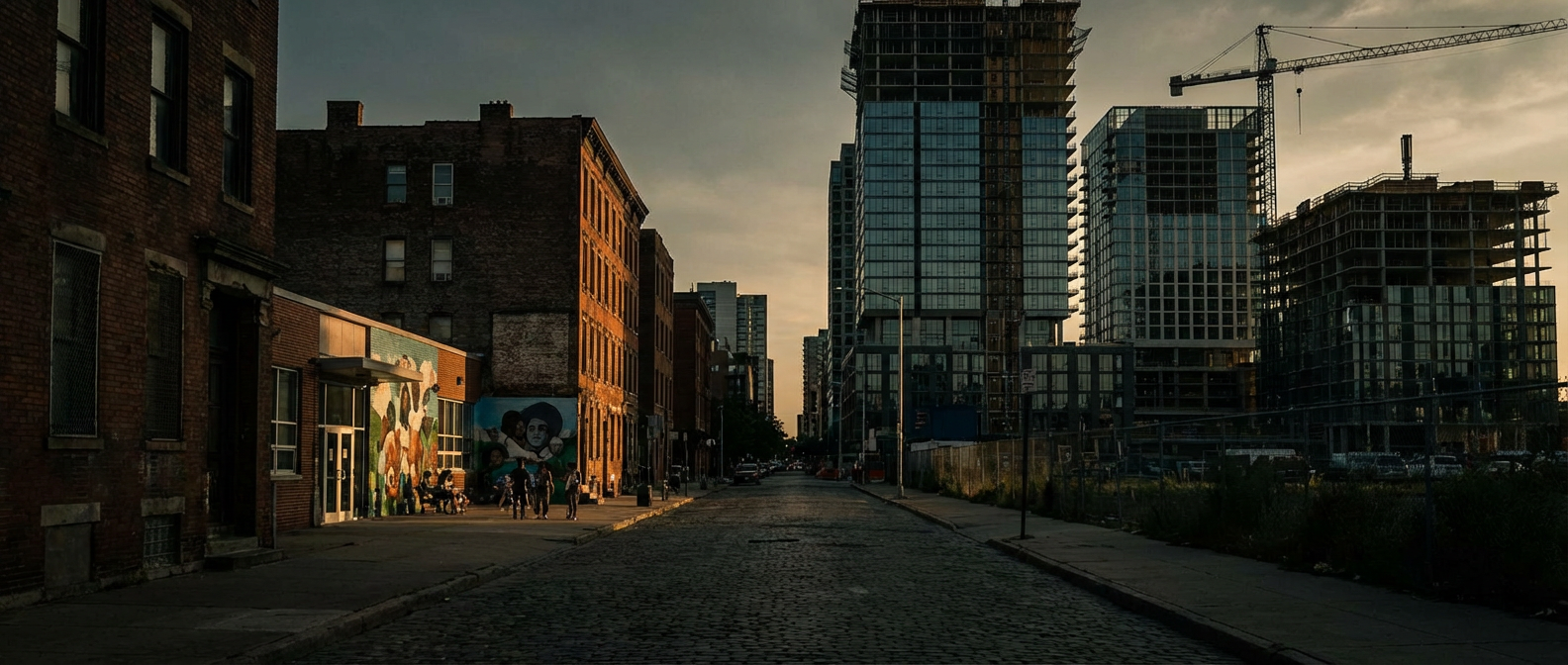
This is how cultural displacement actually works. Not with dramatic evictions or headline-grabbing protests, but through a thousand small deaths. Rent increases that push out the sound engineer who ran DIY shows in his basement. Noise ordinances that shut down the late-night spots where scenes crystallize. Zoning changes that turn artist studios into luxury condos before anyone realizes what’s happening.

The real tragedy isn’t just losing venues. It’s losing the invisible infrastructure that makes culture possible. The networks of people who book shows, design flyers, run sound, and create the social fabric that allows artistic communities to exist. When these networks break apart, they don’t just relocate. They dissolve.
Illustration for The Disappearing Act: How Gentrification Erases Culture Before We Even Notice

Following the Underground Railroad of Displaced Scenes

Every city has its migration patterns. In Brooklyn, the path runs from Williamsburg to Bushwick to Ridgewood to God knows where next. In Oakland, it flows from the Mission through West Oakland toward Richmond and beyond. Artists and musicians don’t choose these moves strategically. They follow affordability like water finding the lowest ground.

I’ve been tracking these movements for years, watching scenes splinter and reconstitute in new neighborhoods. The metal heads who got priced out of Oakland’s Ghost Ship warehouse district didn’t just find another Oakland venue. They scattered across the Bay Area, some landing in house shows in Antioch, others joining established scenes in San Francisco, many just giving up entirely.

What emerges in these new locations often looks nothing like what was lost. The intimacy of a 50-person basement show can’t be replicated in a suburban garage. The spontaneous collaborations that happened when everyone lived within walking distance don’t survive hour-long commutes between scattered apartments.

The most successful transplants happen when entire communities move together, but that’s increasingly rare. More often, displacement breaks apart the social connections that made scenes vital in the first place.

The Economics of Cool and Its Inevitable Collapse

Here’s the cruel irony: the same cultural energy that makes neighborhoods attractive to artists also makes them attractive to developers. The murals, the coffee shops with good wifi, the sense that something interesting is happening. All become selling points for luxury housing marketed to people who want to live somewhere “authentic.”

I’ve watched this cycle repeat in dozens of cities. Artists move into post-industrial spaces because they’re cheap and spacious. Their presence signals to early gentrifiers that the neighborhood is “up and coming.” Property values rise. Landlords realize they can charge more. The original artists get priced out just as mainstream culture discovers their work.

The tech workers and finance bros who move in aren’t intentionally destroying anything. They’re just buying what the market offers. But their arrival changes everything. When a two-bedroom apartment costs $4,000, you can’t sustain a music scene built on bartenders and freelance graphic designers.

The venues that survive this transition usually do so by catering to their new audience. Cover charges increase. Programming becomes safer. The experimental edge gets smoothed away in favor of acts that appeal to people with disposable income and conservative tastes.

What Actually Gets Lost in Translation

Cultural displacement isn’t just about venues closing or artists moving. It’s about the destruction of cultural memory and the severing of generational knowledge transfer. When a neighborhood’s artistic ecosystem gets dismantled, you lose more than current creativity. You lose the accumulated wisdom of how to make things happen with limited resources.

The old-timers who knew how to navigate city permits, who had relationships with sympathetic bar owners, who understood the unwritten rules of local music scenes. Those people often don’t make the jump to new neighborhoods. Their knowledge walks out the door with them.

I think about the venue booker who spent twenty years building relationships with touring bands, knowing exactly which acts would work for which crowds. When his space got demolished, he didn’t just lose a job. An entire network of cultural connections evaporated. The bands he worked with had to start over, building new relationships in new cities.

This knowledge can’t be replaced by apps or websites. It’s the product of years of experimentation, failure, and gradual optimization. When it’s lost, new scenes have to reinvent everything from scratch, often making the same mistakes their predecessors already solved.

Mapping What Comes Next

Culture persists anyway. It adapts, mutates, and finds new forms of expression. The question isn’t whether artistic communities will survive displacement, but what shape they’ll take and who gets to participate.

Some scenes go fully nomadic, organizing pop-up events that move constantly to avoid detection and rent increases. Others try hybrid models, combining online organizing with occasional physical gatherings. The most innovative responses often come from communities that were already marginalized, who’ve had to develop survival strategies that don’t depend on permanent spaces.

I’m seeing interesting experiments in collective ownership, where communities pool resources to buy buildings outright. Artist cooperatives that function as both creative spaces and affordable housing. Community land trusts that remove property from speculative markets entirely.

The solutions won’t come from policy makers or urban planners, though supportive policies help. They’ll emerge from the communities themselves, developed through the same trial-and-error process that creates culture in the first place. The key is documenting these experiments, sharing strategies, and building solidarity between displaced scenes across different cities.

What patterns are you seeing in your own city? What venues have you watched disappear, and where did those communities land? The map of cultural displacement is written collectively, one story at a time.
Your Outfit Is a Political Statement Whether You Like It or Not

The Myth of Apolitical Dressing

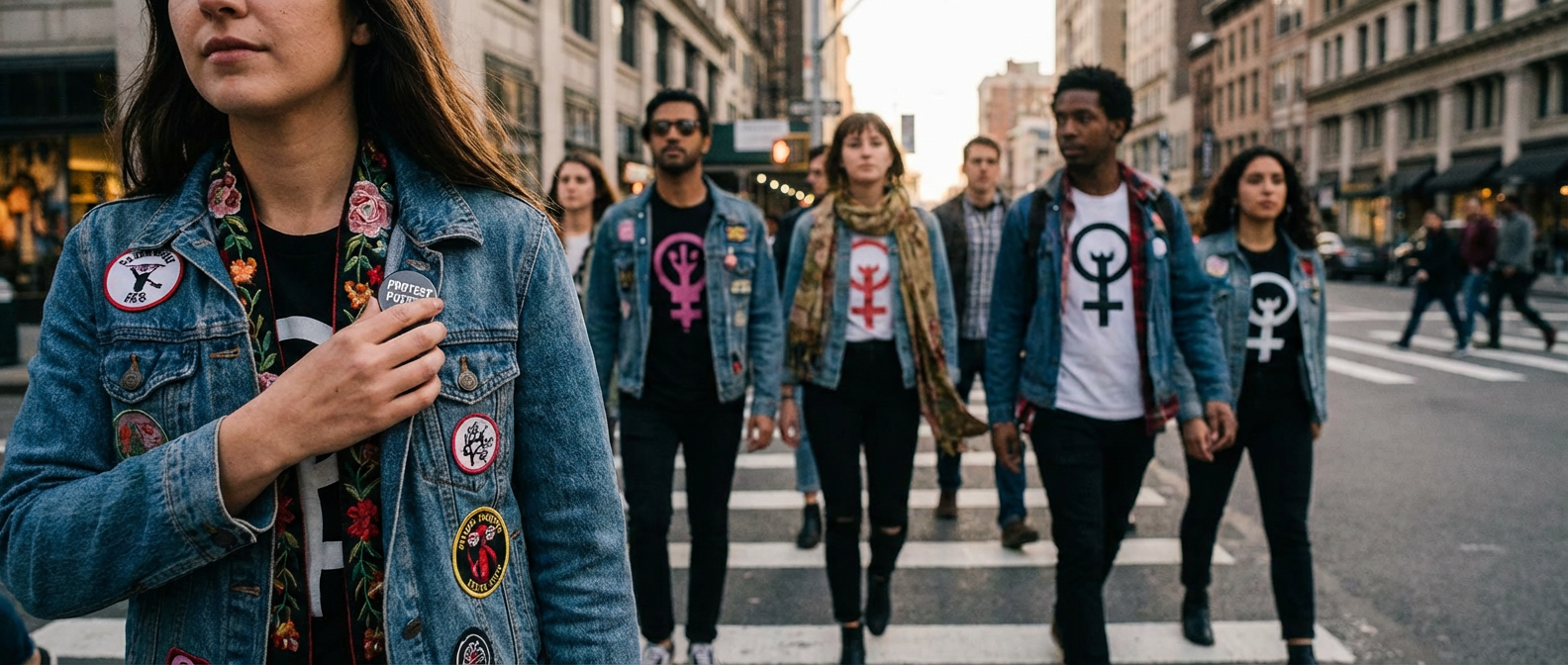
Every morning, you make dozens of micro-political decisions before your first cup of coffee. That vintage band tee? You’re signaling cultural capital and nostalgic authenticity. Those designer sneakers? Economic privilege wrapped in streetwear credibility. The choice to wear all black? Either genuine aesthetic preference or performative minimalism, depending on your zip code.

Your Outfit Is a Political Statement Whether You Like It or Not

Fashion has never been neutral, despite what the “I just throw on whatever” crowd wants you to believe. The idea that clothing exists outside political frameworks is itself a political position—one that only people with enough privilege can afford to maintain. When you can walk through any neighborhood without your appearance marking you as other, different, or threatening, congratulations. You’ve unlocked the luxury of “apolitical” dressing.

But here’s what makes me uncomfortable: most people participating in fashion’s political theater don’t even realize they’re on stage. They think they’re just getting dressed. Meanwhile, every purchase, every styling choice, every brand allegiance feeds into systems of labor exploitation, cultural appropriation, and class divisions that would make a Victorian industrialist blush.

Illustration for Your Outfit Is a Political Statement Whether You Like It or Not

When Resistance Gets Commodified

Remember when ripped jeans meant something? Not the $300 pre-distressed ones at Nordstrom—I’m talking about the ones that got torn from actual movement, actual rebellion, actual wear from bodies that couldn’t afford to replace them. Now you can buy “authentic vintage-inspired distressing” that mimics poverty aesthetics for people who’ve never experienced actual financial precarity.

This is fashion’s most sly trick: taking symbols of resistance and selling them back to us as consumer choices. Che Guevara t-shirts mass-produced in sweatshops. Punk aesthetics repackaged as “edgy” collections by the same corporations punk explicitly rejected. Black power symbols stripped of context and sprinkled across mood boards for “urban-inspired” campaigns.

The underground scenes I frequent—the ones that won’t exist next year because gentrification follows cool like a heat-seeking missile—understand this intimately. Real countercultural fashion isn’t about buying rebellion. It’s about DIY modification, clothes swaps, stealing corporate logos and turning them into something unrecognizable. It’s about making the system’s symbols say things the system never intended.

But even these spaces aren’t immune. Watch how quickly authentic subcultural style gets photographed, catalogued, and reproduced for mass consumption. The cycle speeds up every year. What used to take decades now happens in months, thanks to social media’s endless hunger for “discovering” authenticity and feeding it to the content machine.

The Labor Hidden in Your Closet

Let’s talk about what nobody wants to discuss at the sustainable fashion panel: your clothes are probably made by people whose working conditions would horrify you if you had to witness them firsthand. Fast fashion’s true innovation isn’t speed—it’s the perfection of moral distance between consumer and consequence.

Every time someone posts about “ethical consumption under capitalism” being impossible, they’re not wrong, but they’re also not absolved. Yes, the system is broken. Yes, individual consumer choice can’t fix structural problems. But that doesn’t mean all choices are equal. Some brands are actively worse than others. Some practices cause more harm. Some alternatives exist, even if they’re imperfect.

The real discomfort comes from admitting that ethical fashion requires sacrifice. Not just paying more—though yes, living wages cost money—but giving up the dopamine hit of constant newness. Giving up the social signaling that comes from wearing the latest thing. Giving up the fantasy that you can participate in global capitalism without getting blood on your hands.

Identity Performance in the Algorithm Age

Social media turned everyone into a personal brand, and personal brands need consistent visual messaging. Your outfit posts aren’t just sharing what you wore—they’re broadcasting who you are, who you aspire to be, and which cultural tribes you’re auditioning to join. The algorithm rewards consistency, so people develop signature aesthetics and stick to them like corporate logos.

This has huge political implications. When identity expression becomes content, it also becomes commodified. Your personal style gets reduced to purchasable components that others can replicate. Authenticity becomes a performance metric. Uniqueness becomes a brand differentiation strategy.

Watch how certain aesthetics get associated with political positions without anyone explicitly stating the connection. Minimalism codes as liberal elite. Maximalist vintage suggests leftist politics. Athleisure implies apolitical mainstream consumption. These associations aren’t accidental—they’re the result of countless micro-decisions by influencers, brands, and algorithm-driven recommendation systems.

The most troubling part? People start dressing for the algorithm instead of for themselves or their communities. They choose outfits based on what will photograph well, what fits their established aesthetic brand, what will generate engagement. Political expression becomes secondary to platform optimization.

Beyond Performance: What Actually Matters

Here’s what I’ve learned from years of watching scenes rise and fall, trends cycle and recycle: the most powerful fashion statements aren’t about individual expression—they’re about collective action. When groups of people dress in ways that challenge dominant aesthetics, when they create new visual languages that can’t be easily co-opted, when they use clothing to build community rather than broadcast identity.

The AIDS activists who turned clinical aesthetics into protest art. The Black Panthers who weaponized respectability politics through impeccable tailoring. The punks who turned consumer refuse into armor against conformity. These weren’t individual style choices—they were coordinated political strategies that used fashion as a tool for larger goals.

Real political fashion requires commitment beyond the photoshoot. It means supporting independent designers from marginalized communities, not just wearing their work but advocating for their economic sustainability. It means understanding the supply chains behind your purchases and making decisions based on worker conditions, not just aesthetic appeal. It means recognizing that your individual choices, while limited in scope, still have consequences for real people in real places.

The uncomfortable truth is that there’s no ethical consumption under capitalism, but there are degrees of harm reduction. There’s no pure political expression through commercial fashion, but there are ways to participate that align more closely with your stated values. The key is abandoning the fantasy of perfect choices and instead making better ones within imperfect systems.

What political statements are you making through your closet? More importantly, are they intentional, or are you just following scripts written by people who profit from your participation? The warehouse party might be over, but the conversation about fashion’s political power is just beginning. Let’s make it count.

The Death of Digital Gathering Spaces (And Why We Keep Building Altars to Algorithms)

When Platforms Die, Communities Don’t Just Migrate

Remember when Vine died and everyone said TikTok would fill the void? Six-second loops became fifteen-second clips became infinite scroll dopamine hits, but something fundamental shifted in the translation. The same faces appeared, the same energy pulsed through, yet the DNA of the thing had mutated beyond recognition. This is how digital death works now, not with a bang, but with a slow architectural rewiring that leaves communities scrambling to rebuild muscle memory in hostile territory.

The Death of Digital Gathering Spaces (And Why We Keep Building Altars to Algorithms)

We talk about platform closure like it’s just inconvenience, users hopping from lily pad to lily pad in the great social media pond. But when Tumblr banned adult content in 2018, it wasn’t just porn blogs that died. Entire ecosystems of queer discourse, sex-positive education, and body liberation advocacy got vaporized overnight. The artists, activists, and weirdos didn’t just lose followers. They lost the specific tools that made their communities possible in the first place.

Digital spaces have real consequences. When a platform shifts its algorithm or changes its terms of service, it’s urban planning by spreadsheet. The corner store becomes a Starbucks, the dive bar becomes luxury condos, except the process happens faster and the displaced have even fewer rights.

Illustration for The Death of Digital Gathering Spaces (And Why We Keep Building Altars to Algorithms)

The Gentrification Engine Runs on Engagement Metrics

Every digital scene follows the same trajectory: discovery, growth, optimization, death. Twitter’s early days encouraged genuine conversation through chronological timelines and character limits that forced creativity. Then came the engagement algorithms, pushing viral content over intimate exchanges. The weird corners got smoothed out, the rough edges sanded down, until the platform optimized its way into a rage amplification machine that even its creators couldn’t control.

Instagram started as a photography community where filters felt like creative tools, not performance mandates. Now it’s a shopping mall where every post calculates its potential reach, where authenticity becomes another marketing strategy. The algorithm doesn’t just surface content. It shapes behavior, turning users into unpaid content creators optimizing for metrics they don’t understand.

Discord promised to be different, building communities around servers rather than feeds. But watch how servers evolve: small groups become large groups become branded spaces become corporate partnerships. The same economic pressures that hollowed out indie venues are now eating digital communities from the inside out. When growth becomes the only metric that matters, intimacy becomes inefficiency.

What Dies When Architecture Changes

The real loss isn’t nostalgic. It’s structural. When Tumblr’s reblog chains allowed for layered conversation, they created a unique form of collective authorship. When Twitter’s reply structure flattened discourse into binary arguments, it killed nuanced discussion. When TikTok’s algorithm prioritized instant gratification over slow-burn creativity, it rewarded different kinds of minds.

Different platforms allow for different kinds of human connection. LiveJournal’s friends-locked posts created intimate semi-public spaces. Reddit’s upvote system democratized gatekeeping while creating new forms of mob rule. Instagram Stories introduced ephemeral sharing that felt more casual than permanent posts, until brands figured out how to monetize authenticity too.

These aren’t just technical features. They’re social architectures that shape how communities form, how information flows, how power distributes. When platforms change these fundamental structures, they’re not just updating user experience. They’re rebuilding the cities where digital culture lives.

The Resistance Lives in the Corners

Real digital community formation happens in spite of platforms, not because of them. The Discord servers that matter aren’t the 10,000-member brand communities. They’re the 50-person creative collectives sharing work-in-progress and inside jokes. The meaningful Instagram accounts aren’t the ones chasing verification. They’re the niche archivists documenting local music scenes and underground art movements.

Mastodon gained traction not because it had better features than Twitter, but because it had different power structures. Decentralized servers meant communities could set their own rules, moderate their own spaces, prioritize their own values. But even there, the same dynamics emerge: popular instances grow, smaller ones struggle, and federation creates new forms of exclusion.

The most resilient digital communities build multi-platform ecosystems. Newsletters for long-form thinking, group chats for real-time coordination, websites for permanent archives. They treat platforms as tools rather than homes, ready to migrate when the landlords inevitably raise the rent or change the locks.

Building Memory Palaces in Borrowed Space

Every digital community is a memory palace built in someone else’s house. The owners can renovate, evict, or demolish without notice. But the memories, connections, and creative practices that communities develop become portable cultural DNA. When one platform dies, something essential carries forward. Transformed, adapted, but not entirely lost.

The question isn’t how to prevent digital venues from closing. Capitalism ensures they will. The question is how communities can maintain their essential character across platforms, preserving the practices and relationships that matter while adapting to new technical constraints. This requires intentional community building, explicit value articulation, and infrastructure that exists independent of any single platform.

We’re living through the first generation of digital community formation, watching patterns emerge and dissolve in real time. Each platform death teaches us something about resilience, about what survives transition and what gets lost in translation. The communities that last aren’t the ones that find the perfect platform. They’re the ones that learn to carry their culture wherever they go.

What digital venues have shaped your creative practice? Which platform deaths still sting, and what did those communities teach you about building culture in temporary spaces? The conversation continues in the comments, in the DMs, in whatever corner of the internet feels like home today.

The Warehouse Circuit is Dead, Long Live the Group Chat Scene

The Algorithm Killed the Underground

Three months ago, I watched a TikToker with 50K followers discover HEALTH through their collaboration with Street Fighter 6. Last week, that same track was playing at a Target in suburban Phoenix. The underground music ecosystem that once moved at the speed of hand-copied flyers and word-of-mouth now operates in real-time, compressed into 15-second clips that either explode or vanish.

This acceleration has completely changed how scenes develop. Where underground movements once had years to grow in basements and dive bars, they now face immediate exposure or algorithmic burial. The result isn’t just faster trend cycles, it’s the complete restructuring of what “underground” even means in 2024.

From Warehouse Raves to WhatsApp Drops

The old model was simple: find a space, book local acts, hope 200 people show up and nobody calls the cops. Venues like 285 Kent in Brooklyn or The Smell in LA became legendary not through marketing but through reputation. Artists built followings show by show, city by city, in a process that could take years but created genuine cultural movements.

Today’s emerging artists work differently. Take Sewerslvt, who built a massive following for breakcore without playing a single live show until 2023. Or consider how hyperpop exploded through SoundCloud and Discord servers before most of its key players had ever met in person. The scene exists mostly in digital spaces, with physical gatherings becoming special events rather than regular occurrences.

This shift has opened doors but destroyed locality. A producer in Birmingham can instantly connect with fans in São Paulo, but there’s no longer a “Birmingham sound” developing in isolation. Everything is immediately global, immediately comparable, immediately consumable.

The Streaming Paradox

Spotify’s algorithm rewards consistency over experimentation. Artists who release steadily get playlist placement; those who disappear for months to develop new sounds get forgotten. This has created a strange phenomenon where underground artists must behave like content creators to maintain relevance, even within supposedly anti-commercial scenes.

I’ve watched this play out in real-time with the UK drill scene. What began as hyper-local music tied to specific postcodes became a streaming-optimized genre where artists manufacture beef for engagement metrics. Central Cee’s rise from West London unknown to chart-topper took 18 months, but his success required playing the algorithm game perfectly: consistent releases, strategic collaborations, visual content optimized for TikTok.

The most interesting artists are those finding ways to game the system while maintaining artistic integrity. 100 gecs built their following by making music so aggressively weird it became its own meme. Death Grips mastered the art of calculated unpredictability, building anticipation through deliberate silence. These artists understand that in an attention economy, you either manipulate the tools or get manipulated by them.

Micro-Scenes and Niche Optimization

What we’re seeing now isn’t the death of underground music but its split into thousands of micro-scenes. Phonk took off among Gen Z through car culture TikToks. Ambient techno found new life through “studying with lo-fi” playlists. Hardcore punk kids discovered powerviolence through Instagram reels of 30-second songs.

Each micro-scene develops its own aesthetic codes, its own platforms, its own influencers. The Jersey club revival happened almost entirely through dance videos on TikTok before spilling into mainstream pop. Meanwhile, the dungeon synth community thrives on Bandcamp and Reddit, completely invisible to broader culture but supporting dozens of artists making medieval-themed ambient music.

This hyperspecialization creates opportunities for artists willing to go deep rather than broad. Machine Girl built a devoted following by perfecting one very specific sound: chaotic electronic music that sounds like getting hit by a train in the best possible way. Their fans don’t just listen; they study every release, analyze every sample, create fan art. It’s a level of engagement that mass-market artists can only dream of.

The New Underground Economics

Forget record deals. Today’s underground artists monetize through Patreon subscriptions, limited vinyl runs that sell out in minutes, and $5 beat packs sold through Twitter DMs. The most successful ones understand they’re not just making music, they’re building brands, communities, ecosystems.

Look at how Drain Gang operates: music is just one piece of a larger aesthetic project that includes fashion, visual art, and an entire mythology. Their fans don’t just buy albums; they buy into a complete worldview. When Bladee drops a limited hoodie, it sells out faster than concert tickets used to.

This model only works at scale for artists who can inspire genuine obsession. The barrier to entry is lower than ever, but the barrier to sustainability is higher. Making music is free; building a fanbase that will support you long-term requires becoming a lifestyle brand.

What happens next depends on whether artists can maintain the authenticity that made underground scenes vital while operating in systems designed to maximize engagement over everything else. The artists figuring this out are writing the blueprint for music’s future. Everyone else is just making content.

When Shepard Fairey’s Obama Poster Broke Every Rule and Won

The Image That Ate the Internet Before We Called It That

January 2008. Shepard Fairey drops the “Hope” poster and suddenly every design student thinks they understand propaganda. But here’s what actually happened: a street artist with serious Constructivist chops created the most effective piece of political graphic design since Uncle Sam pointed his finger at you. The red, white, and blue abstraction of Obama’s face didn’t just go viral. It rewrote the playbook for how visual culture meets electoral politics.

When Shepard Fairey's Obama Poster Broke Every Rule and Won
When Shepard Fairey’s Obama Poster Broke Every Rule and Won

Fairey wasn’t working within the campaign structure. He was operating from the margins, using the visual language he’d been developing since his Andre the Giant sticker days. The poster came from skateboard culture, street art, and gallery spaces all at once. It was punk rock methodology applied to mainstream political messaging. No focus groups. No committee approvals. Just one artist’s vision executed with the confidence of someone who’d been wheat-pasting walls since the Reagan administration.

The design itself was perfect. Fairey stripped away photographic detail, reducing Obama’s features to basic geometric forms. The color palette screamed American iconography while the treatment suggested Soviet-era agitprop. It was patriotic and subversive at the same time, accessible and sophisticated. The typography locked everything into place with that single word: “Hope.” Not “Change We Can Believe In” or some other committee-generated slogan. Just “Hope.”

Illustration for When Shepard Fairey's Obama Poster Broke Every Rule and Won
Illustration for When Shepard Fairey’s Obama Poster Broke Every Rule and Won

Street Credibility Meets Electoral Infrastructure

What made the Obama poster culturally huge was its collision between underground aesthetics and mainstream political machinery. Fairey had spent decades building credibility in counterculture spaces. The Obey Giant campaign had already proved he could make images stick in public consciousness. When he turned that power toward electoral politics, something completely new happened.

The poster moved through networks that traditional campaign materials couldn’t touch. It appeared on walls, in record stores, at gallery openings. Young people were printing it themselves, sharing it online, tattooing it on their bodies. The campaign eventually embraced it, but they didn’t create it. This was bottom-up visual culture influencing top-down political messaging. The establishment adopted the underground aesthetic because the underground aesthetic was working.

Fairey’s background in commercial design and fine art gave him technical skills that most street artists lacked. He understood color theory, composition, and how to create images that would reproduce clearly across different media. The poster worked equally well as a wheat-paste on a brick wall and as a digital image shared through email chains. This wasn’t accidental. Fairey built it for maximum adaptability.

The Constructivist Playbook in Digital Age Politics

The visual DNA of the Obama poster traces directly back to Soviet Constructivism and WPA-era graphic design. Fairey wasn’t hiding his influences. He was explicitly referencing El Lissitzky, Alexander Rodchenko, and Depression-era American propaganda. But he was translating those historical aesthetics for contemporary political communication.

Constructivist design came from revolutionary moments when artists believed visual culture could reshape society. Fairey borrowed that optimism and applied it to American electoral politics. The poster suggested that design could be a tool for social transformation, not just commercial persuasion. It positioned Obama as a figure who could bridge establishment politics and grassroots activism.

The technical execution was flawless. Fairey used a limited color palette to create maximum visual impact. The halftone treatment gave the image texture without compromising its reproducibility. Every element was calibrated for instant recognition and emotional response. The poster operated like a logo, a flag, and a piece of fine art at the same time.

When Underground Aesthetics Capture Mainstream Moments

The Obama poster succeeded because it hit the exact sweet spot between technological possibility and cultural hunger. Social media platforms were mature enough to circulate images rapidly but not yet dominated by algorithmic curation. People were sharing content based on personal enthusiasm rather than engagement metrics. The poster rode that wave perfectly.

Fairey’s guerrilla distribution strategy made the poster’s cultural impact even bigger. Instead of launching through traditional advertising channels, it appeared organically in spaces where young, politically engaged people already hung out. Coffee shops, record stores, college campuses, art galleries. The image built credibility through cultural proximity rather than media spend.

The poster’s success also reflected broader shifts in how political movements organize and communicate. Obama’s campaign was pioneering digital-first organizing strategies. Fairey’s aesthetic approach aligned with that technological innovation. Both were bypassing traditional gatekeepers and speaking directly to constituencies that felt disconnected from conventional political messaging.

The Moment Everything Changed

The Obama poster represents a specific historical moment when underground design aesthetics could still capture mainstream political imagination without immediate corporate appropriation. Fairey created something that looked radical but felt accessible. It was protest art that people actually wanted to own and display.

Within months, every political campaign was trying to recreate the poster’s visual impact. Design studios started pitching “Hope poster but for…” concepts to clients. The aesthetic became a template rather than a unique cultural artifact. This pattern would repeat throughout the 2010s as corporate brands learned to fake grassroots visual culture with increasing sophistication.

But in that initial moment, the poster achieved something rare in contemporary politics: it made support for a candidate feel like participation in a cultural movement. People weren’t just voting for Obama. They were aligning themselves with a specific aesthetic vision of what American political culture could become. The image promised transformation that felt both radical and achievable.

Fifteen years later, we’re still living with the visual culture that emerged from that moment. Every protest movement, political campaign, and brand activation borrows elements from Fairey’s playbook. The challenge now is identifying which contemporary images might be operating with similar cultural force before they get absorbed into the algorithmic content machine that’s replaced organic cultural circulation.

The Underground Supper Club Revolution: How Secret Kitchens Are Rewriting Food Culture

The Death of Restaurant Culture as We Know It

The restaurant industry is eating itself alive. Rent prices that would make a tech bro wince, labor shortages that have kitchen managers pulling doubles, and a dining public trained to expect Instagram-worthy experiences at food truck prices. Meanwhile, something beautiful is happening in converted warehouses, artist lofts, and pop-up spaces across every major city. Underground supper clubs are quietly dismantling everything we thought we knew about dining out.

The Underground Supper Club Revolution: How Secret Kitchens Are Rewriting Food Culture

These aren’t your grandmother’s dinner parties, though they share that same intimacy. Think 20-seat dinners in former auto shops, chefs cooking on hot plates they hauled up three flights of stairs, guests who found the location through encrypted Telegram channels. The barrier to entry isn’t a credit card limit but cultural capital. You need to know someone who knows someone, or spend months lurking in the right Discord servers.

What makes this movement fascinating isn’t just the secrecy or the DIY aesthetic. It’s how these spaces reject the fundamental economics of traditional restaurants. No liquor licenses to navigate, no health inspectors breathing down necks, no Yelp reviews to game. Just cooks who want to feed people and diners hungry for something real.

Illustration for The Underground Supper Club Revolution: How Secret Kitchens Are Rewriting Food Culture

The Mutual Aid Kitchen Networks

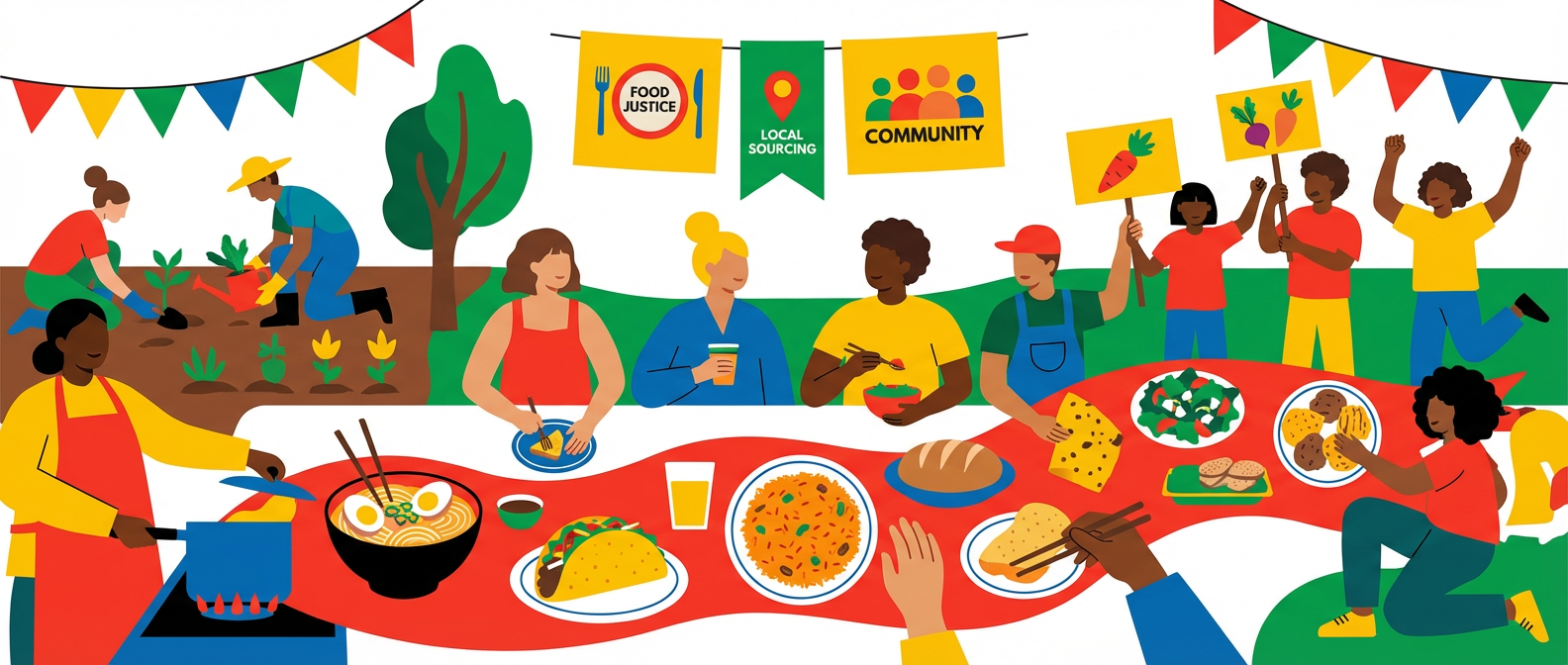
Dig deeper into the underground food scene and you’ll find something that makes traditional charity dinners look quaint. Mutual aid kitchen networks operate on principles borrowed from anarchist organizing and community defense work. These aren’t soup kitchens run by well-meaning nonprofits. They’re horizontal networks of cooks, farmers, and food workers who’ve decided that feeding people shouldn’t require profit margins.

In Oakland, the Bay Area Mutual Aid Collective runs pop-up kitchens that serve restaurant-quality meals on a pay-what-you-can basis. Their rotating cast of volunteer chefs includes James Beard nominees and culinary school dropouts working side by side. The menu might have house-made pasta with foraged mushrooms one week, then Korean-Mexican fusion tacos the next.

These networks operate on gift economy principles that would make venture capitalists break out in hives. Success gets measured in meals served, not revenue generated. Surplus food from high-end restaurants gets redirected to community fridges. Cooking skills transfer through informal apprenticeships rather than expensive culinary programs.

The COVID pandemic pushed these networks from fringe experiment to neighborhood necessity. When restaurants shuttered, mutual aid kitchens kept communities fed. When unemployment benefits ran out, they provided dignity alongside nutrition. Now, even as the formal economy lurches back to normal, these networks persist because they solve problems that traditional restaurants never could.

The Anti-Gentrification Food Truck Phenomenon

Food trucks used to be the scrappy underdogs of street food, slinging authentic tacos and bánh mì to construction workers and late-night bar crowds. Then Instagram happened. Artisanal grilled cheese trucks started charging $15 for sandwiches. Lobster rolls on wheels rolled into working-class neighborhoods like culinary colonizers. The food truck became another vector for the same economic forces pricing communities out of their own neighborhoods.

But watch the margins and you’ll spot the counter-movement. Anti-gentrification food trucks operate on explicitly political principles. They source ingredients from community gardens and local farms. They hire from within the neighborhood. They keep prices accessible even when serving elevated cuisine.

Los Angeles-based Homeboy Industries runs food trucks staffed by formerly incarcerated individuals, serving Mexican comfort food that rivals any trendy taco spot. Their success metrics include job placement rates and recidivism reduction, not just profit margins. Similar models pop up in Detroit, Baltimore, and Phoenix.

These trucks challenge the narrative that good food must be expensive food. They prove that fair wages and community investment don’t require premium pricing. Most importantly, they demonstrate how food can be a tool for community building rather than displacement.

The Fermentation Underground and Preservation Politics

Fermentation is having its moment in mainstream food culture, but the underground fermentation scene operates on entirely different principles. While high-end restaurants charge $20 for house-made kimchi, community fermentation workshops teach preservation techniques as tools for food security and cultural resistance.

These aren’t your typical cooking classes. They’re skill-shares rooted in recognition that fermentation is one of humanity’s oldest food technologies. In gentrifying neighborhoods, community groups teach residents how to preserve surplus produce from community gardens. In food apartheid zones, fermentation workshops help families stretch grocery budgets while improving nutrition.

The political dimensions run deeper than food security. Traditional fermentation techniques carry cultural knowledge that industrial food production has tried to erase. Korean grandmothers teaching kimchi-making in community centers. Puerto Rican families sharing curtido recipes. Ethiopian coffee ceremonies that turn beverage preparation into ritual practice.

Underground fermentation groups like Wild Fermentation frame their work as cultural preservation and economic resistance. Every jar of home-fermented vegetables is money not spent at corporate grocery chains. Every skill-share session builds community resilience that can’t be commodified.

What Happens Next

These underground food movements share common DNA despite their geographic and cultural differences. They prioritize community over profit, cultural preservation over innovation for its own sake, and horizontal organization over traditional restaurant hierarchies. They’re not trying to disrupt the food industry so much as build alternatives to it.

The mainstream food world is starting to take notice, which means co-optation isn’t far behind. Venture capital firms are already sniffing around “community-focused” food startups. Celebrity chefs launch “intimate dining experiences” that borrow underground aesthetics while charging luxury prices. The challenge for genuine underground movements will be maintaining their values as they gain visibility.

But the genie won’t go back in the bottle easily. Once people experience food culture built on mutual aid principles, traditional restaurants start feeling extractive by comparison. Once communities taste the difference between authentic cultural preservation and commodified ethnic cuisine, they demand better.

The underground food scene isn’t just about where to eat next weekend. It’s a preview of how communities might organize around food once we stop pretending that market solutions can solve social problems. Whether you’re tracking down tonight’s secret supper club or learning to ferment vegetables in your kitchen, you’re participating in that experiment. The question isn’t whether these movements will influence mainstream food culture. It’s whether they can grow fast enough to matter.

When the Barricades Became Beautiful: The Radical Moment Design Remembered Its Power

The Perfect Storm of 2020

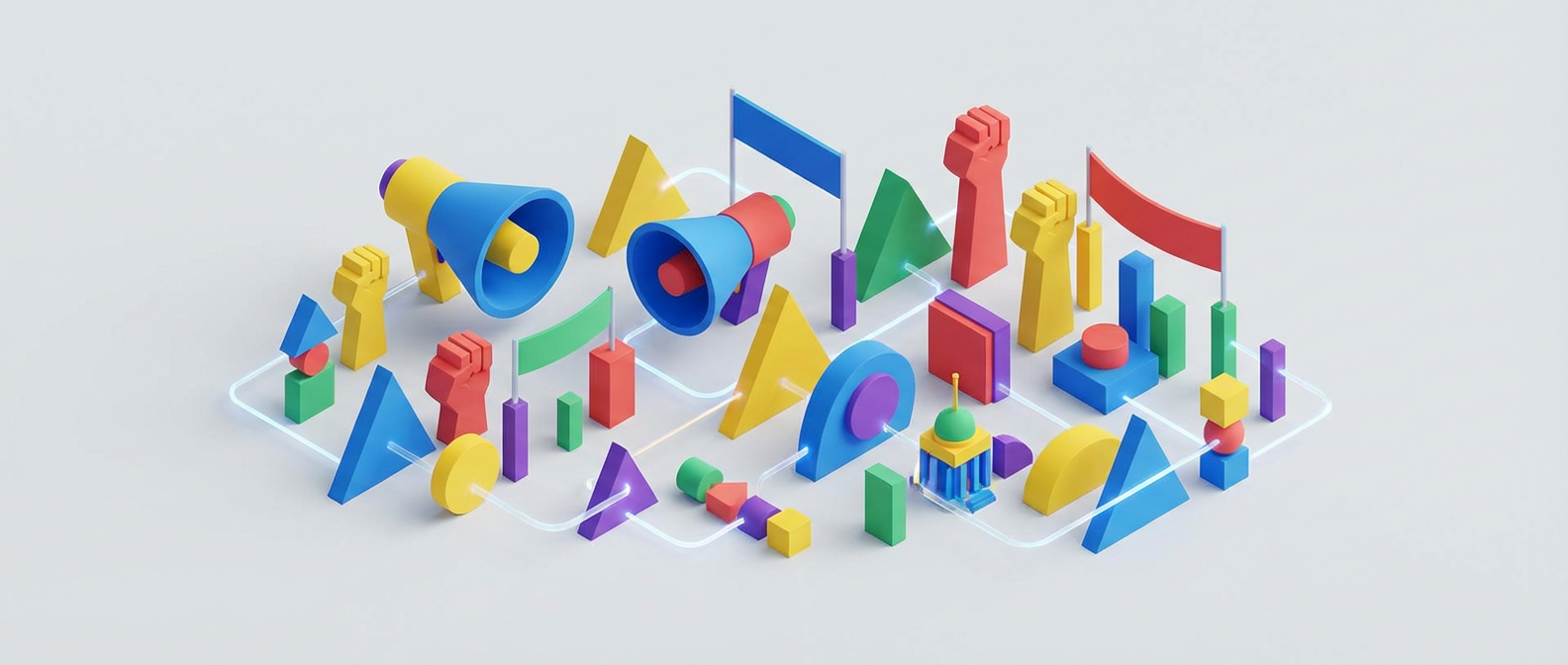
Something shifted in the visual language of dissent during those suffocating summer months of 2020. While mainstream media fixated on the chaos, a quieter revolution was happening in the margins. Graphic designers who’d spent years crafting Instagram campaigns for oat milk brands suddenly found themselves silk-screening protest banners at 3am. The aesthetic DNA of resistance mutated in real time.

When the Barricades Became Beautiful: The Radical Moment Design Remembered Its Power

This wasn’t your grandfather’s protest poster. Gone were the earnest, hand-lettered cardboard signs and photocopied manifestos. In their place emerged a sophisticated visual ecosystem that borrowed liberally from contemporary design culture. Minimalist typography met maximalist fury. Corporate branding techniques were weaponized against corporate power. The same visual strategies that sold sneakers were suddenly dismantling systems.

The conditions were perfect. A generation of designers raised on Instagram understood the grammar of viral content. They knew how images moved through networks, how aesthetics could amplify or diminish a message. Most importantly, they had the tools and the time. Furloughed creatives channeled their energy into something that mattered more than conversion rates.

Illustration for When the Barricades Became Beautiful: The Radical Moment Design Remembered Its Power

When Instagram Became the Underground

The real action wasn’t happening in the streets alone. It was happening in DMs, in private Discord servers, in hastily assembled Slack workspaces where designers shared vector files like samizdat literature. @visualsforjustice and @designersforjustice became nodes in a distributed network of cultural production that would have made the Situationists weep with joy.

This generation understood something their predecessors missed. Aesthetics aren’t decoration on top of politics. They are politics. Every font choice is a statement about who belongs and who doesn’t. Every color palette carries the weight of cultural associations. These designers weren’t just making protest materials prettier. They were crafting new visual languages that could speak to audiences traditional activism couldn’t reach.

The aesthetic choices were surgical. Helvetica spoke to design literacy. Bright, accessible color palettes welcomed newcomers. Clean compositions cut through the noise of feeds already oversaturated with content. These weren’t happy accidents. They were strategic decisions made by people who understood that revolution, like everything else in late capitalism, had to compete for attention.

The Commodification Paradox

Here’s where it gets uncomfortable. The same visual strategies that made protest culture more accessible also made it more marketable. Within months, major brands were stealing the aesthetic innovations of grassroots movements. That bold sans-serif typography and high-contrast color blocking that looked so radical on protest flyers? It was suddenly selling everything from sustainable fashion to meditation apps.

The cycle accelerated at hyperspeed. A visual language born from genuine anger and hope was processed through the cultural machinery and spit back out as content. The irony was thick enough to choke on. Anti-capitalist messaging delivered through Instagram’s advertising infrastructure. Revolutionary aesthetics used to sell products to the same people who’d been tear-gassed for carrying those messages.

But this tension isn’t a bug in the system, it’s the feature. Late capitalism doesn’t destroy its opposition. It absorbs it, metabolizes it, and sells it back to us as lifestyle choice. The most effective protest aesthetics weren’t killed by commercialization. They were neutralized by it. The visual language of resistance became the visual language of conscious consumption.

Beyond the Feeds

The real innovation wasn’t happening in the viral content anyway. It was happening in the spaces between the feeds, in the infrastructure of organizing. Signal threads where designers collaborated on banner templates. Telegram channels distributing protest guides with museum-quality production values. Encrypted file-sharing networks that moved faster than any traditional media organization.

This was cultural production at the speed of crisis. Design systems that could be deployed across dozens of cities in hours. Visual identities that could adapt to local conditions while maintaining movement coherence. The tools of contemporary design practice were repurposed for revolutionary ends. Version control for revolution.

The most sophisticated work avoided the feeds entirely. It lived in physical spaces, on bodies, in temporary interventions that existed only long enough to be documented and shared. These designers understood that the most radical act might be creating something beautiful that couldn’t be monetized, something that resisted capture by the attention economy.

What Remains

Three years later, the moment feels both distant and present. The aesthetic innovations have been absorbed into the broader visual culture. That distinctive look of 2020 protest design now reads as historical artifact, like Soviet constructivism or punk xerox graphics. But the infrastructure remains. The networks activated during that period continue to hum beneath the surface of cultural life.

The real victory wasn’t visual at all. It was organizational. A generation of cultural workers learned they could move faster than institutions. They could create more beautiful, more effective communication than the organizations with million-dollar budgets. They could build movements that looked and felt like movements, not nonprofit campaigns designed by committee.

The aesthetics were just the surface. Underneath was a recognition that culture isn’t separate from politics. It’s the medium through which political possibilities become visible, shareable, and ultimately actionable. That understanding persists even as the specific visual language fades. It’s waiting for the next moment when conditions align and design remembers its revolutionary potential.

What other cultural moments do you think revealed similar tensions between aesthetic innovation and commercial absorption? The comments are open for anyone who wants to dig deeper into how design shapes political possibility.