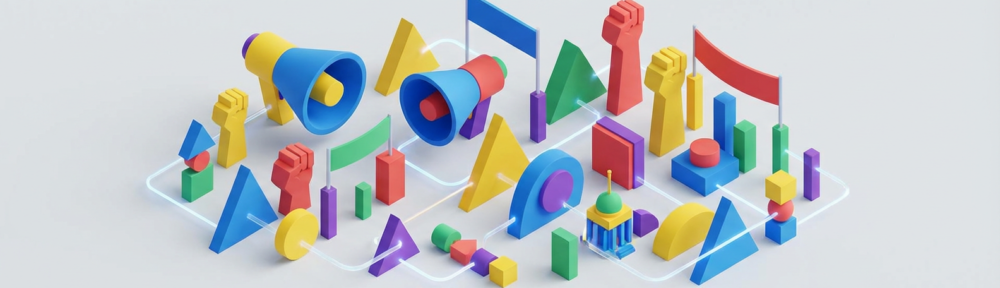
The Perfect Storm of 2020
Something shifted in the visual language of dissent during those suffocating summer months of 2020. While mainstream media fixated on the chaos, a quieter revolution was happening in the margins. Graphic designers who’d spent years crafting Instagram campaigns for oat milk brands suddenly found themselves silk-screening protest banners at 3am. The aesthetic DNA of resistance mutated in real time.
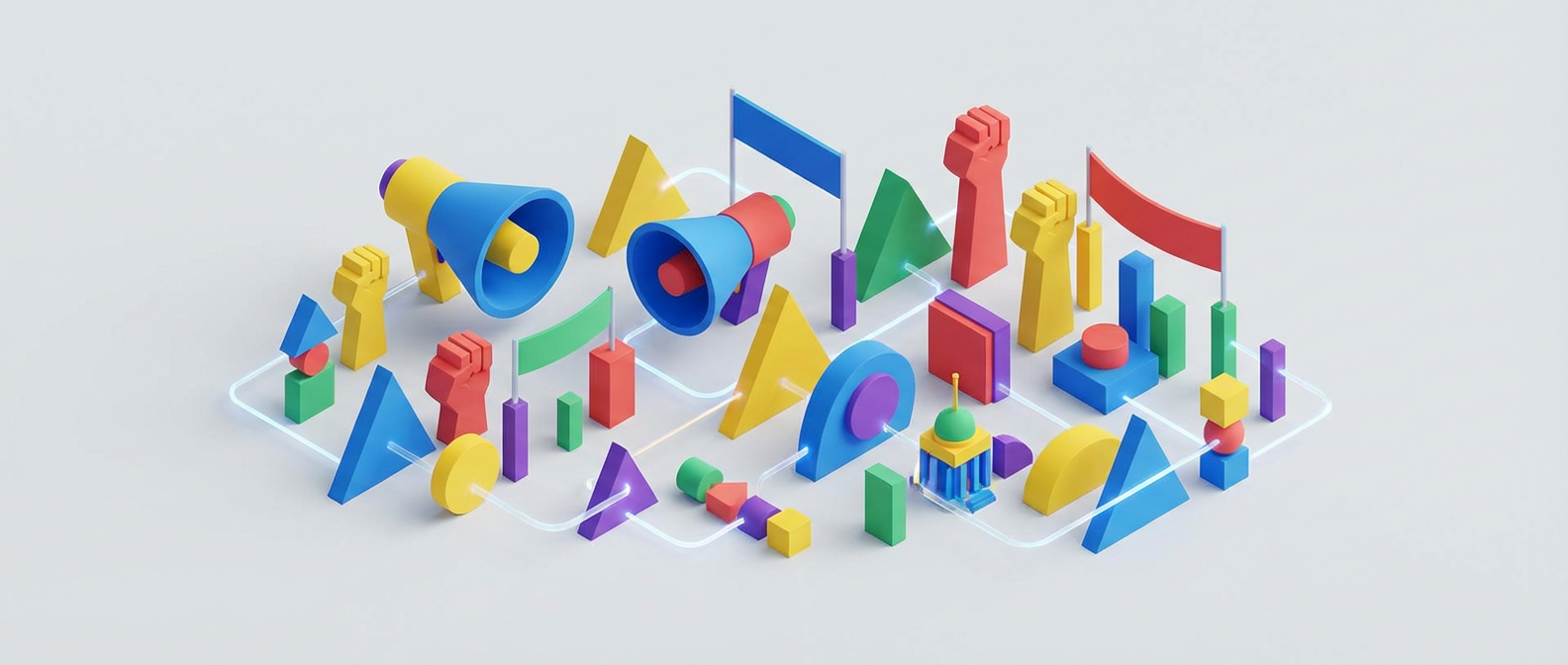
This wasn’t your grandfather’s protest poster. Gone were the earnest, hand-lettered cardboard signs and photocopied manifestos. In their place emerged a sophisticated visual ecosystem that borrowed liberally from contemporary design culture. Minimalist typography met maximalist fury. Corporate branding techniques were weaponized against corporate power. The same visual strategies that sold sneakers were suddenly dismantling systems.
The conditions were perfect. A generation of designers raised on Instagram understood the grammar of viral content. They knew how images moved through networks, how aesthetics could amplify or diminish a message. Most importantly, they had the tools and the time. Furloughed creatives channeled their energy into something that mattered more than conversion rates.

When Instagram Became the Underground
The real action wasn’t happening in the streets alone. It was happening in DMs, in private Discord servers, in hastily assembled Slack workspaces where designers shared vector files like samizdat literature. @visualsforjustice and @designersforjustice became nodes in a distributed network of cultural production that would have made the Situationists weep with joy.
This generation understood something their predecessors missed. Aesthetics aren’t decoration on top of politics. They are politics. Every font choice is a statement about who belongs and who doesn’t. Every color palette carries the weight of cultural associations. These designers weren’t just making protest materials prettier. They were crafting new visual languages that could speak to audiences traditional activism couldn’t reach.
The aesthetic choices were surgical. Helvetica spoke to design literacy. Bright, accessible color palettes welcomed newcomers. Clean compositions cut through the noise of feeds already oversaturated with content. These weren’t happy accidents. They were strategic decisions made by people who understood that revolution, like everything else in late capitalism, had to compete for attention.
The Commodification Paradox
Here’s where it gets uncomfortable. The same visual strategies that made protest culture more accessible also made it more marketable. Within months, major brands were stealing the aesthetic innovations of grassroots movements. That bold sans-serif typography and high-contrast color blocking that looked so radical on protest flyers? It was suddenly selling everything from sustainable fashion to meditation apps.
The cycle accelerated at hyperspeed. A visual language born from genuine anger and hope was processed through the cultural machinery and spit back out as content. The irony was thick enough to choke on. Anti-capitalist messaging delivered through Instagram’s advertising infrastructure. Revolutionary aesthetics used to sell products to the same people who’d been tear-gassed for carrying those messages.
But this tension isn’t a bug in the system, it’s the feature. Late capitalism doesn’t destroy its opposition. It absorbs it, metabolizes it, and sells it back to us as lifestyle choice. The most effective protest aesthetics weren’t killed by commercialization. They were neutralized by it. The visual language of resistance became the visual language of conscious consumption.
Beyond the Feeds
The real innovation wasn’t happening in the viral content anyway. It was happening in the spaces between the feeds, in the infrastructure of organizing. Signal threads where designers collaborated on banner templates. Telegram channels distributing protest guides with museum-quality production values. Encrypted file-sharing networks that moved faster than any traditional media organization.
This was cultural production at the speed of crisis. Design systems that could be deployed across dozens of cities in hours. Visual identities that could adapt to local conditions while maintaining movement coherence. The tools of contemporary design practice were repurposed for revolutionary ends. Version control for revolution.
The most sophisticated work avoided the feeds entirely. It lived in physical spaces, on bodies, in temporary interventions that existed only long enough to be documented and shared. These designers understood that the most radical act might be creating something beautiful that couldn’t be monetized, something that resisted capture by the attention economy.
What Remains
Three years later, the moment feels both distant and present. The aesthetic innovations have been absorbed into the broader visual culture. That distinctive look of 2020 protest design now reads as historical artifact, like Soviet constructivism or punk xerox graphics. But the infrastructure remains. The networks activated during that period continue to hum beneath the surface of cultural life.
The real victory wasn’t visual at all. It was organizational. A generation of cultural workers learned they could move faster than institutions. They could create more beautiful, more effective communication than the organizations with million-dollar budgets. They could build movements that looked and felt like movements, not nonprofit campaigns designed by committee.
The aesthetics were just the surface. Underneath was a recognition that culture isn’t separate from politics. It’s the medium through which political possibilities become visible, shareable, and ultimately actionable. That understanding persists even as the specific visual language fades. It’s waiting for the next moment when conditions align and design remembers its revolutionary potential.
What other cultural moments do you think revealed similar tensions between aesthetic innovation and commercial absorption? The comments are open for anyone who wants to dig deeper into how design shapes political possibility.