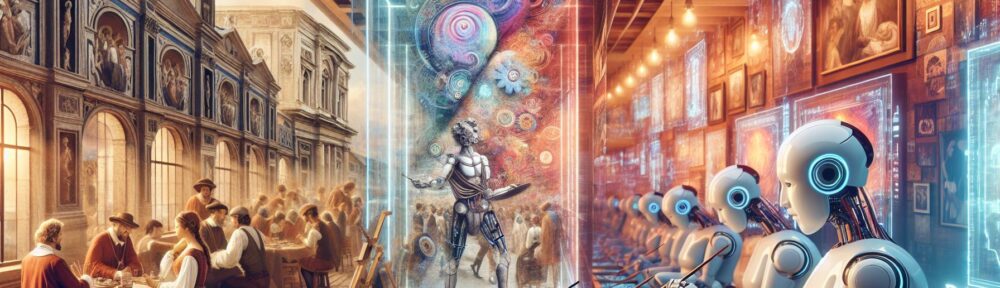
Hello, fellow futurists and technology enthusiasts! Today, I want to explore a fascinating aspect of our digital world that doesn’t always get the attention it deserves: how creativity and artificial intelligence are colliding in unexpected ways. This isn’t just about machines making decisions or crunching numbers faster than a human brain. It’s about something that feels genuinely revolutionary, like a new Renaissance powered by code. Let’s look at how AI is changing the creative game, sparking new forms of originality in art, writing, and beyond.
The Artist’s New Brush: Neural Networks and Their Creative Capacity
When creativity meets technology, you get artificial intelligence, specifically neural networks. These are becoming the digital brushes that artists and creatives around the world are picking up with curiosity and excitement. A neural network is basically a series of algorithms that tries to spot patterns in complex datasets, and honestly, they’ve gotten scary good at it.
These algorithms can now generate artwork that mimics famous painting styles, write novels, compose music, and blend different art forms in ways we never thought possible. Remember all the excitement around OpenAI’s “DALL-E,” that neural network that creates images from text descriptions? This isn’t science fiction anymore. It’s a real tool that people are using for creative expression. The possibilities are mind-blowing, and we’re just getting started.
The Rise of AI in Writing: Algorithmic Wordsmiths
Of all the areas AI is touching, writing might seem like the most abstract and yet the most fascinating. Some people argue that machine-generated prose lacks soul or that indefinable quality that makes human writing special. But here’s the thing: AI language models like GPT-3 can generate text that sounds remarkably human, with different styles and tones. This is opening doors we didn’t even know existed.
From Co-Authors to Soloists: AI’s Role in Writing
Let me break down how AI is changing writing. There’s this growing trend you could call “AI-enabled co-authoring.” Writers are using AI models not as competition but as creative partners. Think of it as extending your thought process, where the AI helps generate fresh ideas, offers different perspectives, or even checks your work for flow and coherence. It’s like having a tireless editor who never gets tired or needs a coffee break.
But AI has also gone solo. Take “1 the Road,” a book written entirely by a neural network inspired by beat poet Jack Kerouac. Machines have proven they can hold the creative pen all by themselves. The success of projects like this shows AI’s potential not just in writing assistance, but in completely reimagining what it means to create.
AI in Visual Art: Machine-Made Masterpieces
The visual art world is where things get really interesting. AI is completely changing what it means to admire and own artwork. Have you seen those headlines about AI artwork selling for crazy prices at auction? The art world is buzzing with AI-created pieces that push every boundary we thought we knew.
What I find most compelling is the conversation these pieces start. It’s not just about the art itself, but the philosophical and ethical questions they raise. Can a non-sentient entity truly understand or replicate human emotion and context? This new kind of dialogue, sparked by art, is enriching how we think about creativity, technology, and what makes us human.
The New Renaissance: A Synthesis of Man and Machine
One of the most exciting things about this AI-powered creative movement is that we’re not just making new art forms. We’re building a new culture, a kind of digital renaissance. Unlike the Renaissance of the 14th-17th centuries that brought together art and science, this one is merging digital technologies with human creativity. It’s a dynamic conversation between minds (human and machine), blurring the lines between what’s traditionally man-made and machine-made, helping artists create experiences that were previously impossible.
A Diversity Explosion Fueled by Data
AI algorithms are pattern recognition machines, trained on massive datasets, capable of blending countless styles and cultures. The beautiful result is an explosion of diversity in art forms. We’re seeing new genres and styles emerge that honor multiple worlds. These creations often pull influences from countless cultures, weaving them together without boundaries. This is democratizing art, allowing people from all backgrounds to engage with and co-own these experiences.
Ethical Considerations and the Need for Balanced Control
Now, let’s not ignore the complications. AI’s growing role in creativity raises some serious ethical questions. The nature of authorship is being tested. When an AI creates a masterpiece novel or a viral digital artwork, who owns it? The developer or the algorithm? Or the database that provided all the training material? This matters more and more in a world increasingly driven by intellectual property.
Towards Responsible Coexistence
While AI’s potential for creativity is exciting, we need to talk about responsibility and accountability. We should define appropriate uses, establish clear ownership rights, and make sure AI tools respect user privacy. As we build this new Renaissance, we need to aim for harmony where human creativity and artificial intelligence amplify each other, rather than overshadowing or exploiting one another.
The Future: A Synergistic Symphony of Creativity
What’s next for this growing relationship between AI and creativity? As AI tools become more integrated into creative processes, we’ll probably see continued innovation and productivity across all creative fields. Artists and writers will likely become more versatile, learning to weave AI insights into their workflows naturally.
We’re essentially building an ever-expanding orchestra, with each player bringing unique expertise, whether that’s human intuition, emotion, or analytical power from an AI model. And this orchestra isn’t just playing for aesthetic pleasure. These compositions might also tackle real-world problems by generating novel solutions to persistent challenges.
Conclusion: Embrace the Boundless Horizon
The combination of artificial intelligence with human creativity is fertile ground for radical changes in how we create and appreciate art. It’s an exciting time to be an artist or writer as these tools continue to evolve, giving us capabilities that amplify our imaginative and expressive powers. As we move deeper into this era, let’s embrace the endless possibilities and shape a future where technology and art enrich human experience in ways we once couldn’t even imagine.
Stay tuned for more discussions and explorations into our rapidly advancing technological world. Don’t hesitate to leave your thoughts in the comments. Until next time, keep creating!