The Death of Restaurant Culture as We Know It
The restaurant industry is eating itself alive. Rent prices that would make a tech bro wince, labor shortages that have kitchen managers pulling doubles, and a dining public trained to expect Instagram-worthy experiences at food truck prices. Meanwhile, something beautiful is happening in converted warehouses, artist lofts, and pop-up spaces across every major city. Underground supper clubs are quietly dismantling everything we thought we knew about dining out.
These aren’t your grandmother’s dinner parties, though they share that same intimacy. Think 20-seat dinners in former auto shops, chefs cooking on hot plates they hauled up three flights of stairs, guests who found the location through encrypted Telegram channels. The barrier to entry isn’t a credit card limit but cultural capital. You need to know someone who knows someone, or spend months lurking in the right Discord servers.
What makes this movement fascinating isn’t just the secrecy or the DIY aesthetic. It’s how these spaces reject the fundamental economics of traditional restaurants. No liquor licenses to navigate, no health inspectors breathing down necks, no Yelp reviews to game. Just cooks who want to feed people and diners hungry for something real.

The Mutual Aid Kitchen Networks
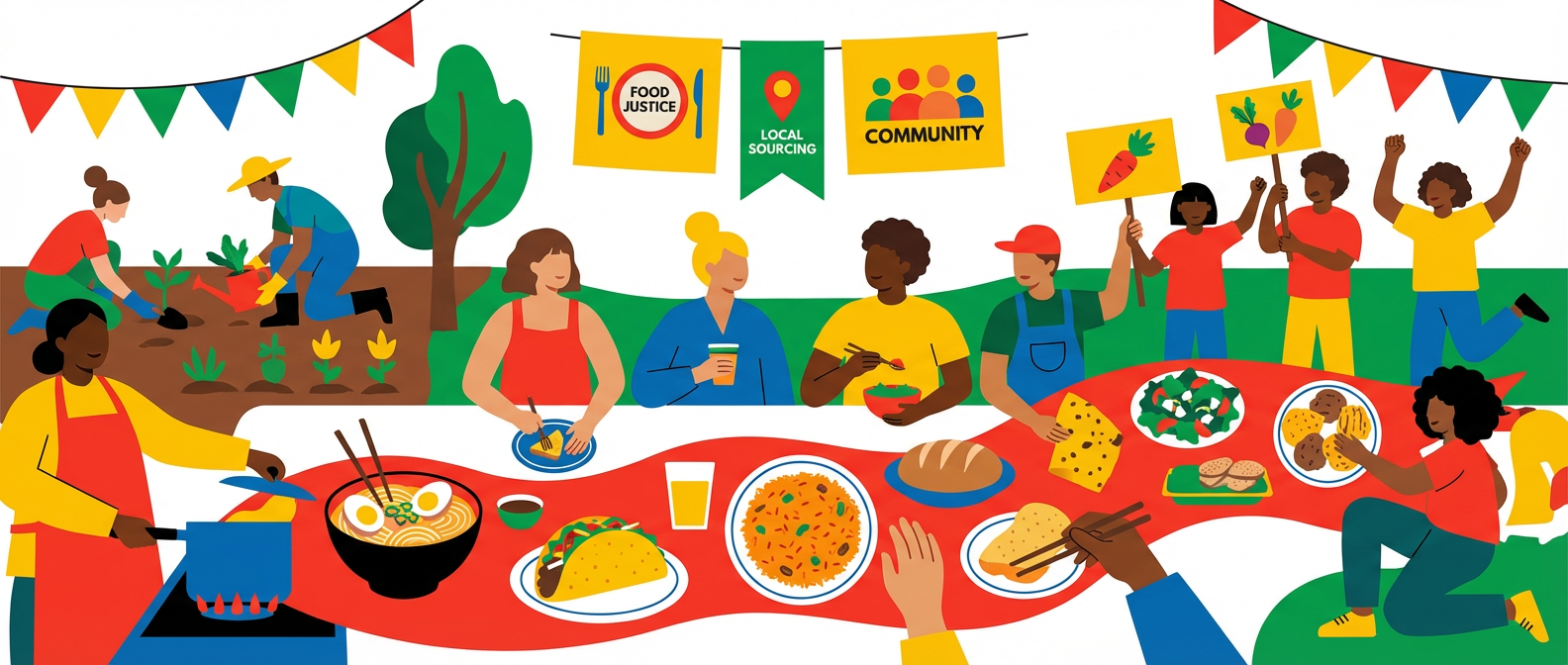
Dig deeper into the underground food scene and you’ll find something that makes traditional charity dinners look quaint. Mutual aid kitchen networks operate on principles borrowed from anarchist organizing and community defense work. These aren’t soup kitchens run by well-meaning nonprofits. They’re horizontal networks of cooks, farmers, and food workers who’ve decided that feeding people shouldn’t require profit margins.
In Oakland, the Bay Area Mutual Aid Collective runs pop-up kitchens that serve restaurant-quality meals on a pay-what-you-can basis. Their rotating cast of volunteer chefs includes James Beard nominees and culinary school dropouts working side by side. The menu might have house-made pasta with foraged mushrooms one week, then Korean-Mexican fusion tacos the next.
These networks operate on gift economy principles that would make venture capitalists break out in hives. Success gets measured in meals served, not revenue generated. Surplus food from high-end restaurants gets redirected to community fridges. Cooking skills transfer through informal apprenticeships rather than expensive culinary programs.
The COVID pandemic pushed these networks from fringe experiment to neighborhood necessity. When restaurants shuttered, mutual aid kitchens kept communities fed. When unemployment benefits ran out, they provided dignity alongside nutrition. Now, even as the formal economy lurches back to normal, these networks persist because they solve problems that traditional restaurants never could.
The Anti-Gentrification Food Truck Phenomenon
Food trucks used to be the scrappy underdogs of street food, slinging authentic tacos and bánh mì to construction workers and late-night bar crowds. Then Instagram happened. Artisanal grilled cheese trucks started charging $15 for sandwiches. Lobster rolls on wheels rolled into working-class neighborhoods like culinary colonizers. The food truck became another vector for the same economic forces pricing communities out of their own neighborhoods.
But watch the margins and you’ll spot the counter-movement. Anti-gentrification food trucks operate on explicitly political principles. They source ingredients from community gardens and local farms. They hire from within the neighborhood. They keep prices accessible even when serving elevated cuisine.
Los Angeles-based Homeboy Industries runs food trucks staffed by formerly incarcerated individuals, serving Mexican comfort food that rivals any trendy taco spot. Their success metrics include job placement rates and recidivism reduction, not just profit margins. Similar models pop up in Detroit, Baltimore, and Phoenix.
These trucks challenge the narrative that good food must be expensive food. They prove that fair wages and community investment don’t require premium pricing. Most importantly, they demonstrate how food can be a tool for community building rather than displacement.
The Fermentation Underground and Preservation Politics
Fermentation is having its moment in mainstream food culture, but the underground fermentation scene operates on entirely different principles. While high-end restaurants charge $20 for house-made kimchi, community fermentation workshops teach preservation techniques as tools for food security and cultural resistance.
These aren’t your typical cooking classes. They’re skill-shares rooted in recognition that fermentation is one of humanity’s oldest food technologies. In gentrifying neighborhoods, community groups teach residents how to preserve surplus produce from community gardens. In food apartheid zones, fermentation workshops help families stretch grocery budgets while improving nutrition.
The political dimensions run deeper than food security. Traditional fermentation techniques carry cultural knowledge that industrial food production has tried to erase. Korean grandmothers teaching kimchi-making in community centers. Puerto Rican families sharing curtido recipes. Ethiopian coffee ceremonies that turn beverage preparation into ritual practice.
Underground fermentation groups like Wild Fermentation frame their work as cultural preservation and economic resistance. Every jar of home-fermented vegetables is money not spent at corporate grocery chains. Every skill-share session builds community resilience that can’t be commodified.
What Happens Next
These underground food movements share common DNA despite their geographic and cultural differences. They prioritize community over profit, cultural preservation over innovation for its own sake, and horizontal organization over traditional restaurant hierarchies. They’re not trying to disrupt the food industry so much as build alternatives to it.
The mainstream food world is starting to take notice, which means co-optation isn’t far behind. Venture capital firms are already sniffing around “community-focused” food startups. Celebrity chefs launch “intimate dining experiences” that borrow underground aesthetics while charging luxury prices. The challenge for genuine underground movements will be maintaining their values as they gain visibility.
But the genie won’t go back in the bottle easily. Once people experience food culture built on mutual aid principles, traditional restaurants start feeling extractive by comparison. Once communities taste the difference between authentic cultural preservation and commodified ethnic cuisine, they demand better.
The underground food scene isn’t just about where to eat next weekend. It’s a preview of how communities might organize around food once we stop pretending that market solutions can solve social problems. Whether you’re tracking down tonight’s secret supper club or learning to ferment vegetables in your kitchen, you’re participating in that experiment. The question isn’t whether these movements will influence mainstream food culture. It’s whether they can grow fast enough to matter.