
The Pilgrimage That Became a Problem
Naoshima pulled 780,000 visitors in 2024. That’s not a typo. An island with a permanent population under 3,000 absorbed nearly a million people in one year, all chasing the same mirage: that art can resurrect a place. That culture can matter. That somewhere in Japan’s Seto Inland Sea, someone figured out the formula and now every struggling city wants to reverse engineer it.
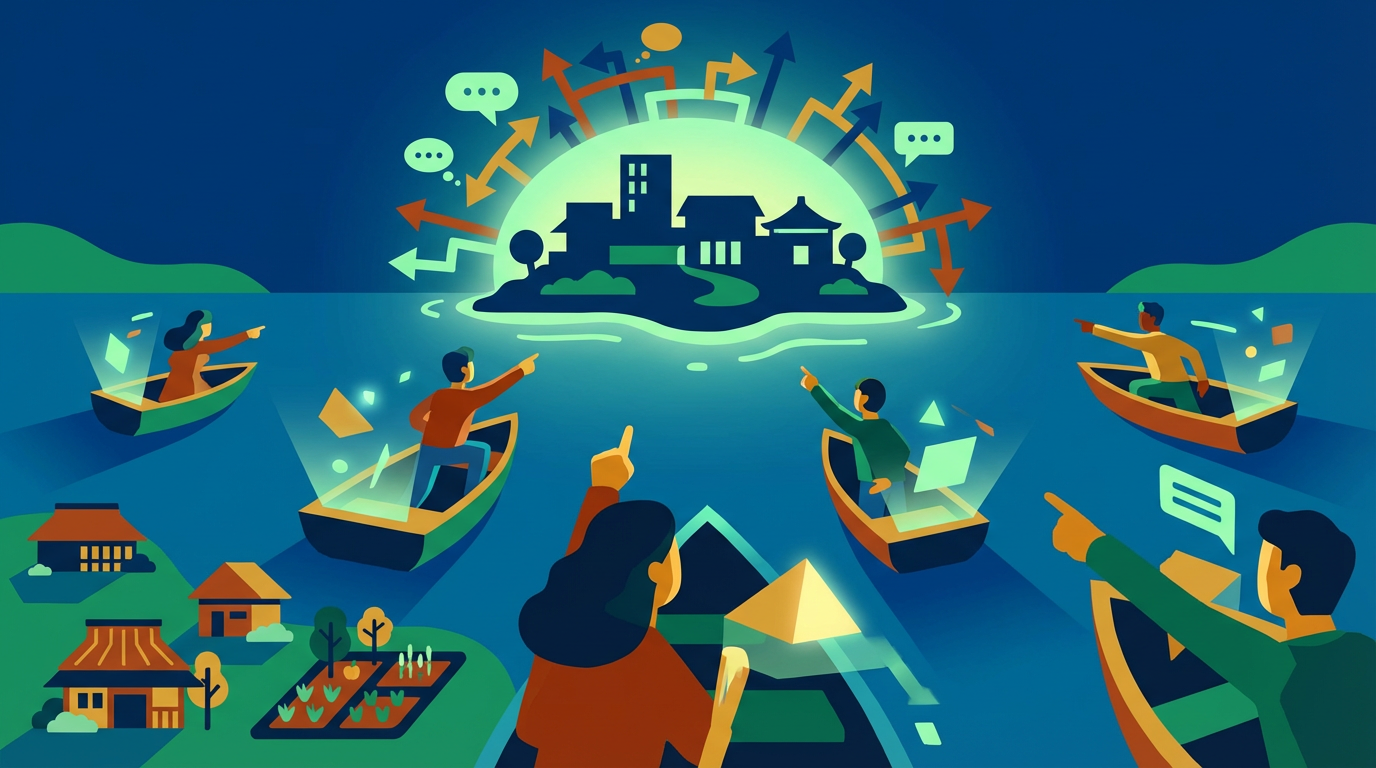
They’re all doing it wrong. Not because they lack ambition or vision, but because they’ve mistaken the symptom for the disease. They saw Naoshima’s international acclaim, its museums, its crowds, and its regional economic activity of ¥37 billion during the 2025 Setouchi Triennale. They watched it get studied in 23 university urban planning programs worldwide. And they decided: we need an art island too.
The problem is structural. It’s boring to admit, but it’s true. Naoshima didn’t work because someone built nice galleries. It worked because someone waited.
What Actually Happened on Naoshima (Spoiler: It Took 32 Years)
Soichiro Fukutake, the founder of Benesse, started this project in 1992. Not with a master plan. Not with a glossy development proposal. He bought an abandoned island and embedded art into its existing infrastructure. He restored homes instead of demolishing them. He commissioned site-specific work rather than rotating blockbuster exhibitions. He partnered with residents who actually lived there, not consultants who flew in for strategy sessions.
The Benesse Art Site Naoshima Official Documentation describes a philosophy most people skip over when they’re speed-reading the case study. The art wasn’t the product. The partnership with the community was the product. The infrastructure investment was the product. The art was just what made people pay attention.
A 2024 paper in the Journal of Cultural Heritage analyzed why Naoshima actually succeeded. The finding was almost comic in its simplicity: 78 percent of Naoshima’s success came from infrastructure investment and genuine resident collaboration. The art programming alone accounted for maybe a quarter of what made the place work. But nobody wants to hear that. Nobody’s launching a “Long-Term Infrastructure Partnership Initiative” or “Three Decade Commitment to Local Stakeholder Engagement.” Those don’t trend on LinkedIn.
The 12-City Copycat Collapse Nobody’s Talking About
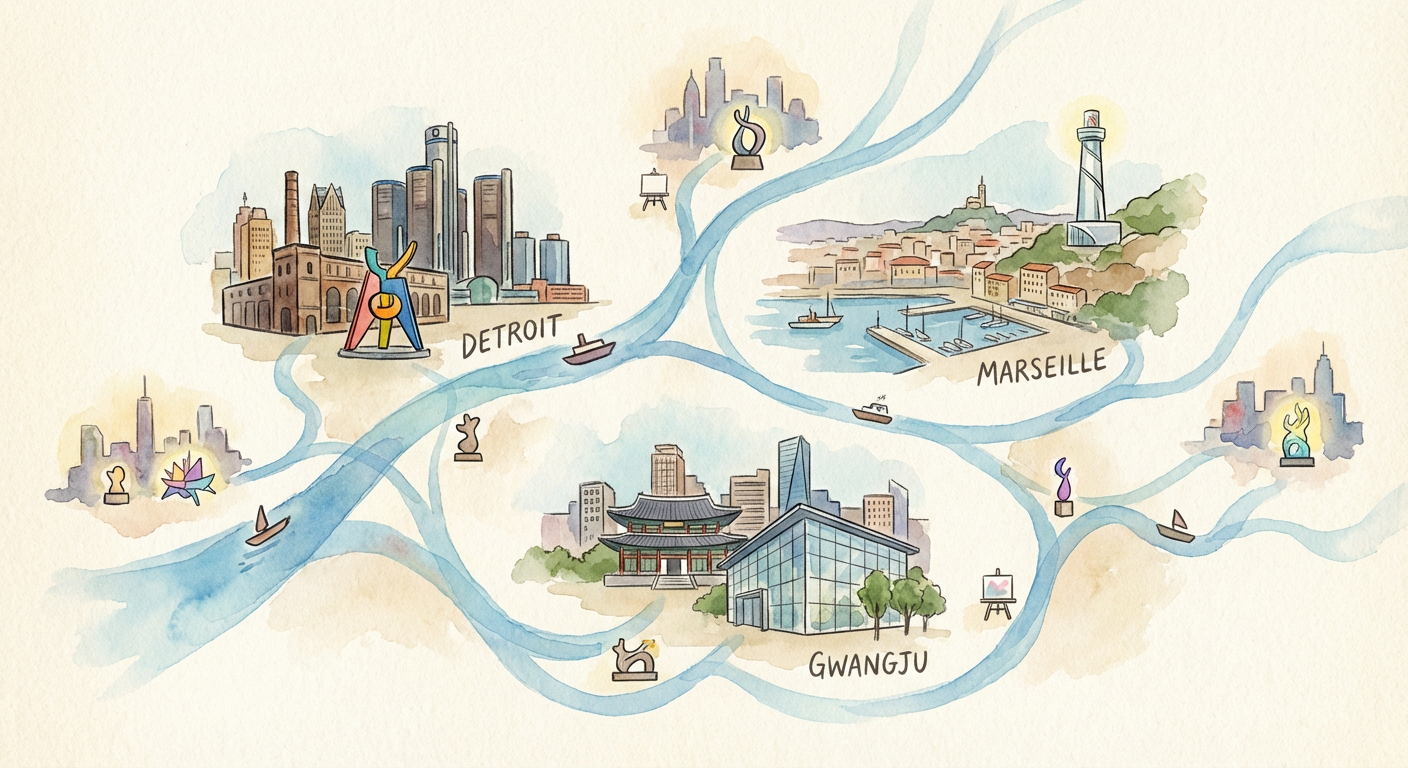
Between 2023 and 2025, at least 12 cities launched formal “art island” or “art district” initiatives modeled on Naoshima, according to the UNESCO Creative Cities Network 2025 Report. Detroit. Marseille. Gwangju. Places with real infrastructure problems, real community needs, and absolutely no patience for a 32-year timeline.
They built galleries. They hired curators. They commissioned art. And then they waited for the miracles. The miracles didn’t come, or they came in the wrong shape, or they came for the wrong people. The galleries became Instagram backdrops for day-trippers. The communities that already lived there got priced out before the “revival” was even complete. The art became backdrop music for gentrification.
This is the part that haunts me. Naoshima genuinely showed that culture could matter in economic development. It proved that art wasn’t just decoration for cities that were already winning. But the lesson got translated into a blueprint for exactly the opposite thing: the fastest way to monetize cultural capital without actually changing the material conditions that made a place feel abandoned in the first place.
What These Cities Actually Needed (But Nobody Wanted to Fund)
If you wanted to replicate Naoshima, you’d need to start with what Fukutake actually did. Not the museums. The sewage systems. The electrical infrastructure. The housing stock. The schools. The healthcare access. The things that make a place livable for people who work there year-round, not just for tourists who visit once.
You’d need to commit to a timeline that outlasts any mayoral term, any corporate leadership change, any cultural trend cycle. You’d need to genuinely listen to existing residents about what they wanted their place to become, even if that vision didn’t maximize visitor revenue. You’d need to accept that some islands, some neighborhoods, some cities aren’t supposed to become destinations. Some places are supposed to just be good places to live.
But that’s not a growth story. That’s not a case study. That’s not something you can package up and sell to the next city looking for a shortcut.
The Real Naoshima Effect
Here’s what actually happened: one person spent 32 years slowly transforming an island through patient infrastructure investment, genuine community partnership, and an art program that grew from those relationships rather than driving them. The result was real change. Real economic activity. Real cultural weight. Real problems too, obviously. Tourism creates crowding. Gentrification is gentrification even when it’s artistic.
But somewhere in those three decades, something genuine built up. Trust. Knowledge. Local expertise. The kind of stuff you can’t fake or accelerate. The Setouchi Triennale generates massive regional economic impact, yes, but that’s because the foundation is actually solid beneath it.
Every city that’s tried to skip steps, to compress the timeline, to use art as a shortcut instead of infrastructure as a foundation, has learned the same lesson: you can’t. The Naoshima effect wasn’t the art. It was the waiting. It was the commitment. It was the boring, unglamorous choice to actually invest in the place itself before asking the world to come visit.
So what do you think? Have you watched a cultural revival project in your own city? Did it feel real, or did it feel like someone was selling you a vision of the place rather than building it?