When the Lights Go Out
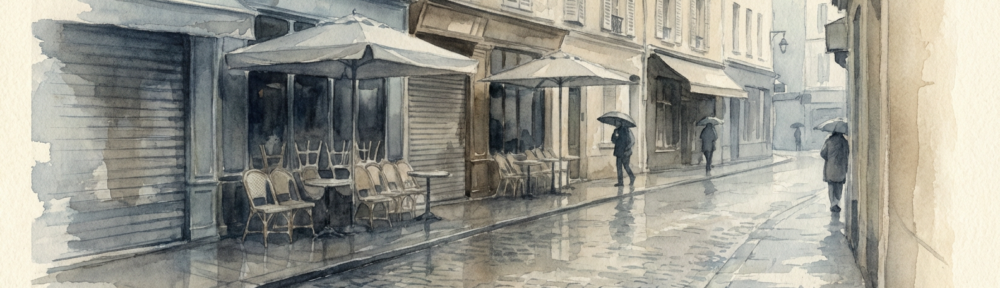
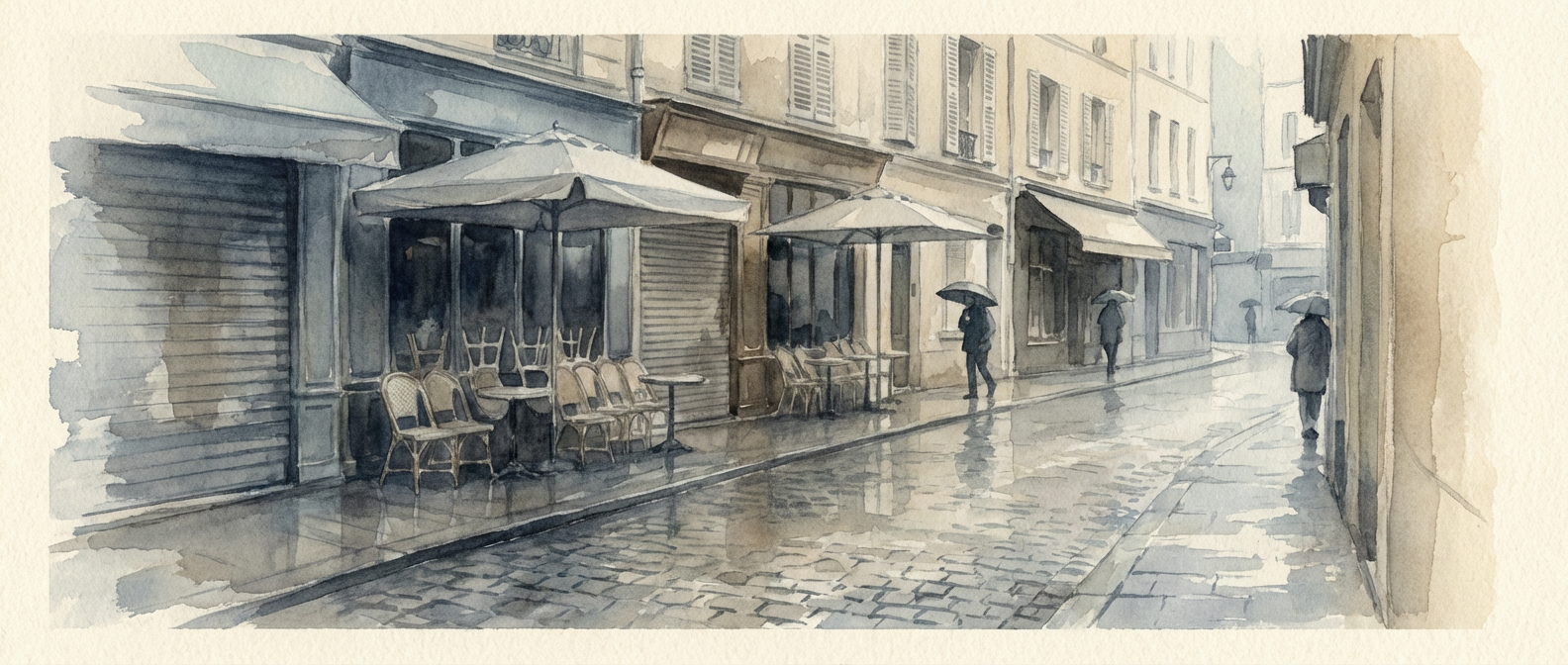
There’s a particular kind of silence that fills a storefront after the last espresso machine gets unplugged. I walked past the shuttered location of a café I’d frequented for seven years in Brooklyn last month. The chalkboard menu was still up. Someone had written “THANK YOU” in huge letters across it. The windows were papered over, but you could see the ghost of the space through the gaps: the corner where the regulars read, the bar where baristas knew your order.
This isn’t just nostalgia talking. The numbers are stark. The National Coffee Association’s 2025 survey documented what felt inevitable to anyone paying attention: independent café closures across the United States jumped 18 percent year-over-year, with over 4,200 independent shops shuttering between January and October alone. That’s not a trend. That’s a collapse.
What’s being lost isn’t just a place to grab coffee. Urban sociologist Ray Oldenburg named it decades ago when he published “The Great Good Place” in 1989: the third place. Not home, not work, but the informal gathering space where community happens. The café. The pub. The bookstore with chairs. The park bench with regulars. Spaces where strangers become neighbors and isolation becomes connection.
The Third Place Is Disappearing
The concept feels quaint now, almost naive. But Oldenburg was onto something essential about how humans build culture and resilience. We need friction. We need the randomness of overhearing conversations, bumping into acquaintances, sitting quietly near people who aren’t on screens in our apartment. The third place is where subcultures germinate. Where underground bands find audiences. Where ideas get workshopped over bad coffee and better company.
Researchers at MIT Media Lab’s 2025 third place decline study quantified what café closures felt like from the inside: a 22 percent drop in third-place density across major American metropolitan areas since 2020. That’s not equilibrium. That’s structural collapse happening in real time. These spaces aren’t being replaced. They’re just gone.
The culprits are familiar villains. Commercial rent increases have become obscene. London’s legendary Monmouth Coffee, a place that shaped specialty coffee culture in the UK, closed two of its three locations in early 2025. The reason? Commercial rent in Borough Market shot up 40 percent in just three years. Landlords decided that extracting maximum cash from property was more valuable than maintaining cultural institutions. The math worked for them. The culture didn’t survive it.
The Loneliness Trap
There’s data now on what happens when third places disappear. The Pew Research Center 2025 loneliness report found that 47 percent of adults under thirty-five report chronic loneliness, up from 30 percent in 2019. Researchers explicitly linked this uptick to the erosion of informal gathering spaces. We’re not just losing cafés. We’re losing connection infrastructure.
The pandemic accelerated everything. Remote work meant people stopped commuting to offices, which meant they stopped bumping into humans in transit. Digital communication got better but less textured. And then as we came out the other side, expecting to rebuild, landlords had already decided real estate speculation mattered more than community continuity.
What hits harder is the feedback loop. Fewer gathering spaces means more isolation. More isolation means fewer people on the streets, fewer conversations, less cultural energy, which makes remaining spaces feel emptier, which makes business harder, which means more closures. The death spiral accelerates.
What’s Rising From the Ashes
But here’s where it gets interesting. Humans adapt. We’re messy and creative. Emerging from the rubble of café culture is something unexpected: the anti-café model. These spaces, which started gaining traction in Eastern Europe, flip the traditional café equation. You don’t buy overpriced drinks. You buy time. You pay by the hour. You bring your own coffee, your own laptop, your own projects. In 2025, IBISWorld tracked a 60 percent surge in new anti-café openings across American cities.
It’s not elegant. It lacks the romance of the traditional third place. But it’s honest about what these spaces actually are now: commons for human attention in a world that’s monetized every second of it. The anti-café acknowledges that we can’t compete with corporate landlords on their terms. So it changes the game. Pay for presence, not consumption. Community as a subscription, not a byproduct of commerce.
Other experiments are happening too. Artists are renting short-term warehouse spaces and creating pop-up café culture. Bookstores are doubling down on events. Libraries are becoming more aggressively social. Some neighborhoods are organizing to fight rent increases. It’s decentralized and messy and feels fragile. But it’s something.
What We’re Learning Too Late
The death of the café tells us something uncomfortable about how we’ve chosen to build cities. We decided that public space was a cost center, not an asset. We let landlords extract maximum value from real estate without consequence. We prioritized individual consumption over collective gathering. We built digital platforms instead of physical neighborhoods. And now we’re surprised that loneliness is spiking and culture feels manufactured.
The closure of a single café might seem like a small loss. But it’s not. It’s a node collapsing in a network. It’s one fewer place where a teenager can discover experimental music. One fewer spot where community members who don’t know each other yet might meet. One fewer refuge for people experiencing isolation. One fewer ecosystem for subculture to breathe.
Third places will exist in 2030. Humans need them too desperately. The real question is what form they’ll take, who gets access, and whether we’ve actually learned that some things shouldn’t be optimized for maximum profit extraction. The closures of 2025 are a reckoning we probably needed. The hard part comes next: building differently. What are you seeing in your own neighborhoods?